
Room by room
Home Office Secondary Glazing
Microphones picking up road noise on calls, and a cold desk position by the window is the reason most people fit secondary glazing in this room. Speech-band noise is exactly what a laminated interlayer damps hardest, so call intelligibility improves more than the raw decibel figure suggests. We cover South Yorkshire, North Derbyshire and the surrounding towns.
Listed-building drawings and specifications are prepared free with the quote where consent is needed.
Quotes are written, itemised per opening, and hold for 60 days.
We survey with a sound level meter where noise is the driver, so the target is a number rather than an impression.
Glass specification is decided after the survey, not before — the same room can need two different thicknesses.
The room-specific detail
Home-office work is dominated by mid-frequency speech noise, which is where a viscoelastic PVB interlayer performs best — a thicker monolithic pane would do less.
Desks pushed against a window need the unit set to open away from the working position; we agree the hinge side at survey.
A sealed room-side pane also removes the low-level whistle from a poorly-fitting original sash that shows up on a headset but not to the ear.
Is one window enough to make a difference? In a small room, yes — the window is normally the weakest surface by a wide margin, so treating it alone changes the acoustic character of the room.
How we would spec this
| Typical opening | a single sash or casement in a box room or converted bedroom |
|---|---|
| Glass specification | 6.8 mm laminated where the room faces a through-road, 6.4 mm on a side street |
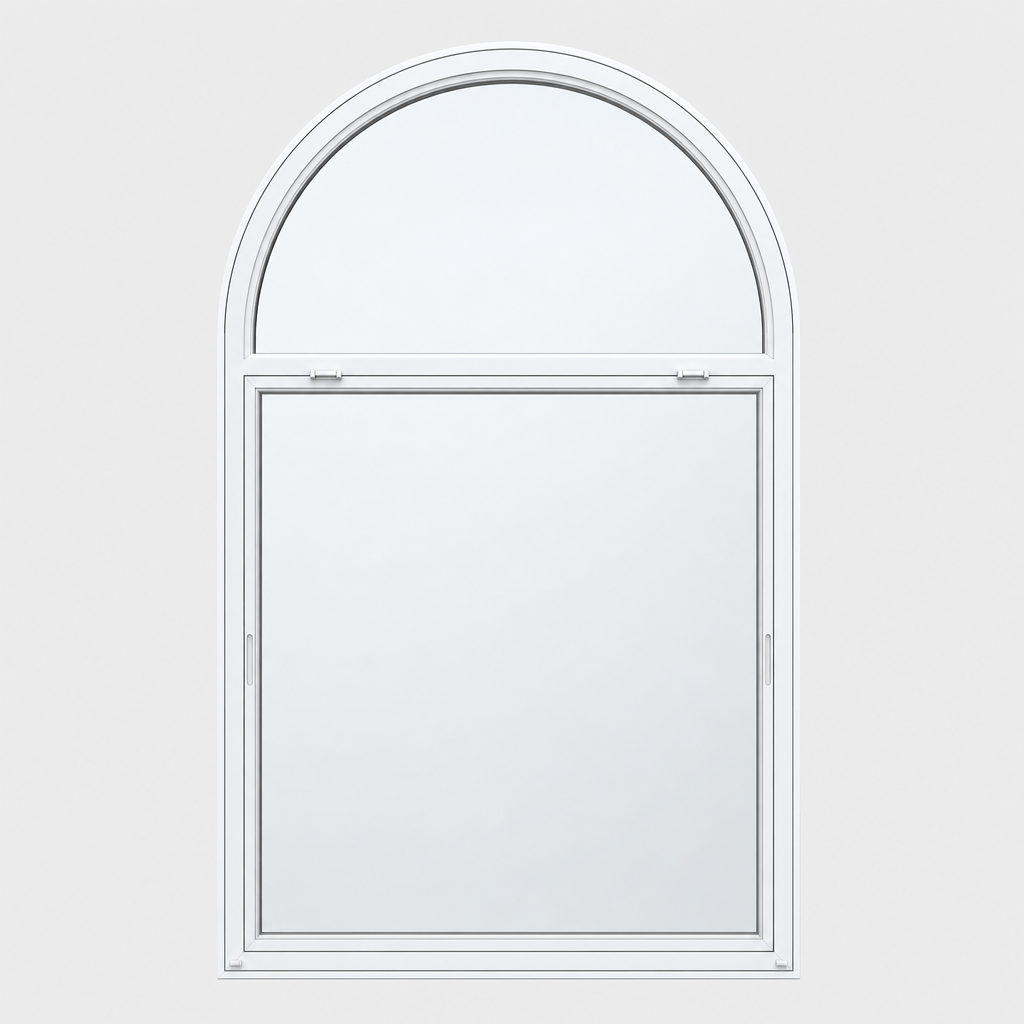
| Operation | single-panel hinged units are usually the cleanest fit in a small room because nothing has to slide past desk furniture |
| Main benefit | speech-band noise is exactly what a laminated interlayer damps hardest, so call intelligibility improves more than the raw decibel figure suggests |
How the job runs
- Step 1
Send a photo and rough dimensions for an indicative price within a working day.
- Step 2
On-site survey and templating of the opening.
- Step 3
Manufacture, typically two to three weeks.
- Step 4
Room-side install with no external access required.
Recent installs nearby
Ecclesall Road bay-window sound retrofit
Three-panel horizontal sliders across a 3.2 m Edwardian bay — Rw measured at 47 dB post-install.
A61 corridor 1930s semi
Front-facing Crittall casements enclosed with hinged secondary units. Traffic noise reduced from disruptive to background.
Broomhill student HMO acoustic upgrade
12 bedrooms retrofitted between academic years with 6.4 mm laminated horizontal sliders.
Local areas we cover for this room
Other rooms
- Bedroom glazingsleep through road, rail and neighbour noise
- Living room glazingmake the main reception room usable in winter and quiet enough for conversation
- Nursery glazingprotect daytime naps and keep a small room at a stable temperature
- Bathroom glazingstop condensation, mould and cold surfaces in the wettest room in the house
- Loft glazingfix the hottest-in-summer, coldest-in-winter room and the noise that comes straight off the roofline
- Kitchen glazingcut condensation over the sink and keep a hard-surfaced room from feeling cold
- Dining room glazingmake a rarely-heated room comfortable and quiet enough to eat and talk in
- Stairwell glazingclose the biggest uncontrolled heat path in a period house and protect stained glass
- Garden room glazingextend the usable season of a room that is currently too cold or too loud to sit in
Common questions
Will people on video calls still hear the road?
Far less. Speech-frequency noise drops sharply behind a laminated secondary pane, which is the band a headset microphone is most sensitive to.
Do I need to treat the whole room?
Usually not. In a typical box-room office the window is the weakest acoustic surface by a long way, so it is the only element worth treating first.
Is a hinged or sliding unit better at a desk?
Hinged, in most cases — a slider needs clear side space that a desk normally occupies, and a hinged unit swings clear in one movement.
Want the numbers before you commit?
We will send indicative pricing per opening before any visit is booked.
Home office glazing — the short version
Take calls without background traffic and keep the room warm on a working day, using 6.8 mm laminated where the room faces a through-road, 6.4 mm on a side street. Single-panel hinged units are usually the cleanest fit in a small room because nothing has to slide past desk furniture.