
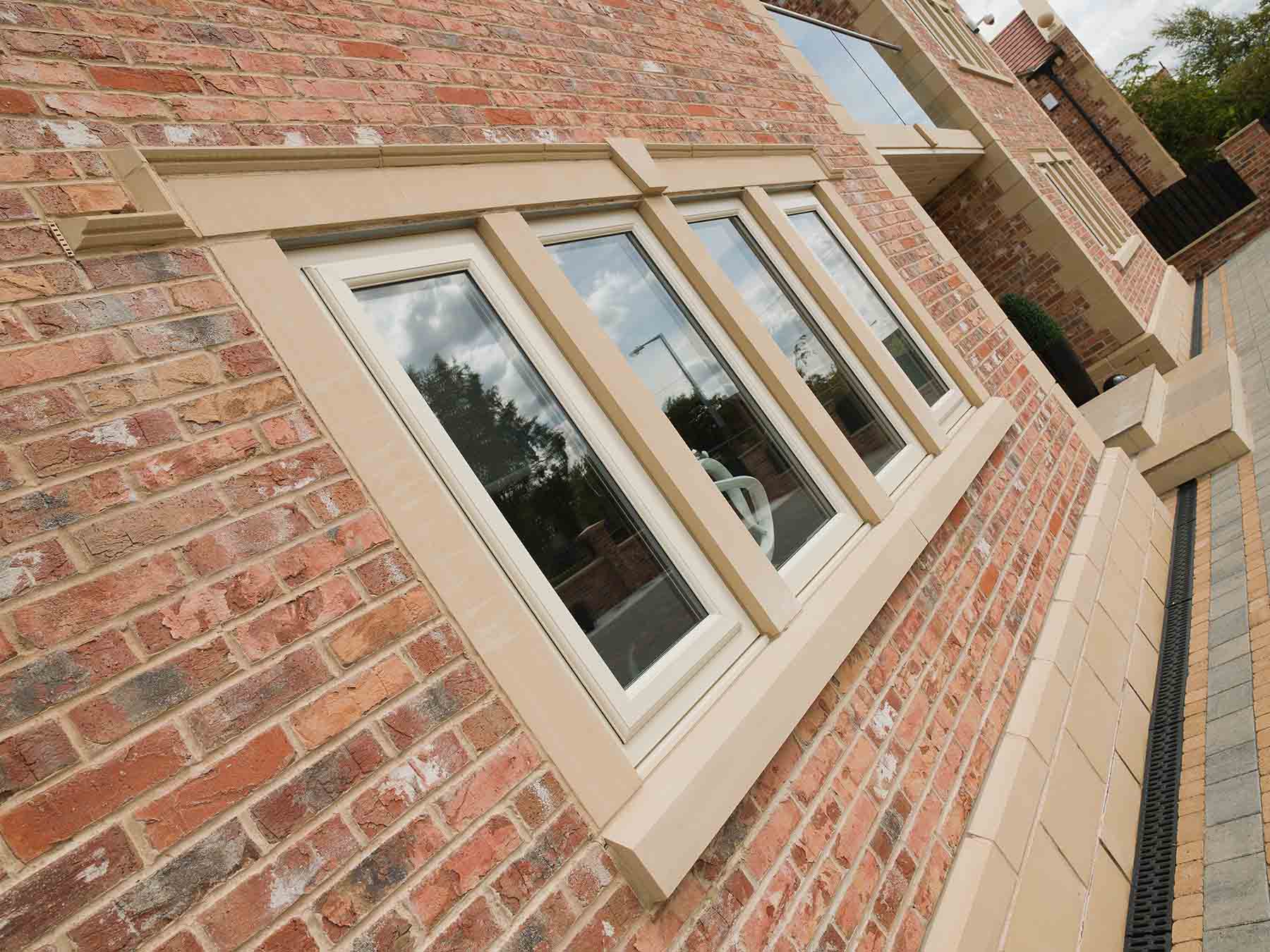
Secondary Glazing in Conservation Areas
Conservation area status protects the character of the street. Secondary glazing sits inside the room, so in most cases it is the upgrade that fits the rules rather than fights them.
What the designation actually controls
A conservation area designation controls external appearance and the character of the area: demolition, extensions, the look of the frontage and, in some places, the windows themselves. Unlike listing, it does not normally control internal alterations. Because a secondary glazing unit is fitted on the room side and changes nothing on the elevation, it usually falls outside the controls entirely. That is very different from replacing the windows, which in many conservation areas is heavily restricted.
Article 4 directions and why they matter
Councils can remove permitted development rights in a conservation area with an article 4 direction, most often to stop original windows and doors being swapped for uPVC. Where one is in force, replacement windows need a planning application and are frequently refused. Ironically that makes secondary glazing more attractive, not less: it delivers the performance the household wanted while leaving the protected frontage exactly as it is.
- Article 4 usually targets replacement windows
- Room side work is normally unaffected
- Check the direction text on your council's website
- Listed buildings inside the area have separate rules
Keeping it invisible from the street
Even where no consent is needed, the design choices are worth making properly. Set the unit back into the reveal so there is shadow between the two windows. Align the meeting rail or stile with an existing horizontal in the primary window. Choose a recessive finish rather than bright white where the primary joinery is dark. Keep sight lines slim on decorative or multi pane windows. Done this way, an installation is genuinely hard to spot from the pavement.
Where consent still comes into it
Three cases need a check before ordering: the property is also listed, in which case listed building rules apply and the internal work matters; the building is in a conservation area with an unusually detailed appraisal document that mentions internal features; or the work involves anything external, such as a vent through the wall. In all three, a short email to the conservation officer with photographs settles it faster than assumptions.
- Listed plus conservation area, ask first
- Any external alteration, ask first
- Flats may also have lease conditions
- Keep the reply on file for future buyers
Performance without the fight
The reason people accept the restrictions is the result. A 100mm cavity with acoustic laminated glass materially reduces traffic and rail noise, Low E glass in the same frame cuts heat loss, and the draught through an original sash disappears. Households get the benefit they were originally chasing with replacement windows, without a planning battle and without losing the original joinery.
How to check your own address
Search your council's planning pages for the conservation area map and appraisal, look for any article 4 direction covering your street, and check the National Heritage List for England to see whether your building is separately listed. If anything is unclear, contact the conservation officer directly. Historic England's guidance on energy efficiency in historic buildings is the best general background reading.
Frequently asked questions
Usually not, because the work is internal and the elevation is unchanged. If the building is also listed, or an article 4 direction is unusually broad, check with your conservation officer first.
Not sure what applies to your street?
Send us the address and photographs. We will tell you what we normally see in that area and prepare anything your council asks for.