
Room by room
Bathroom Secondary Glazing
Water running down the inside of the pane every morning and black mould at the cill and reveal is the reason most people fit secondary glazing in this room. The room-side surface temperature rises above the dew point of typical bathroom air, so the condensation stops forming in the first place. We cover South Yorkshire, North Derbyshire and the surrounding towns.
Listed-building drawings and specifications are prepared free with the quote where consent is needed.
Quotes are written, itemised per opening, and hold for 60 days.
Glass specification is decided after the survey, not before — the same room can need two different thicknesses.
Cavity depth does more for acoustic performance than glass thickness, and we design for it first.
What makes this room different
Condensation is a surface-temperature problem, not a ventilation problem alone; raising the glass temperature is what stops the water forming.
Bathroom cavities are vented to the external side so any moisture that does reach the gap dries outward rather than sitting on the primary pane.
Obscure glass options are matched to the existing pattern where the window is overlooked, so privacy is unchanged.
Won't it trap moisture between the two panes? Not if the cavity is vented to the outside rather than the room, which is how we detail every bathroom install — moisture is pushed out, not held in.
The technical answer
| Typical opening | a small obscure-glazed top light or a single narrow casement |
|---|---|
| Glass specification | a sealed lift-out or hinged panel with obscure or clear glass to match the primary |
| Operation | lift-out panels are the usual answer because bathroom openings are small and rarely need to be used daily |
| Main benefit | the room-side surface temperature rises above the dew point of typical bathroom air, so the condensation stops forming in the first place |
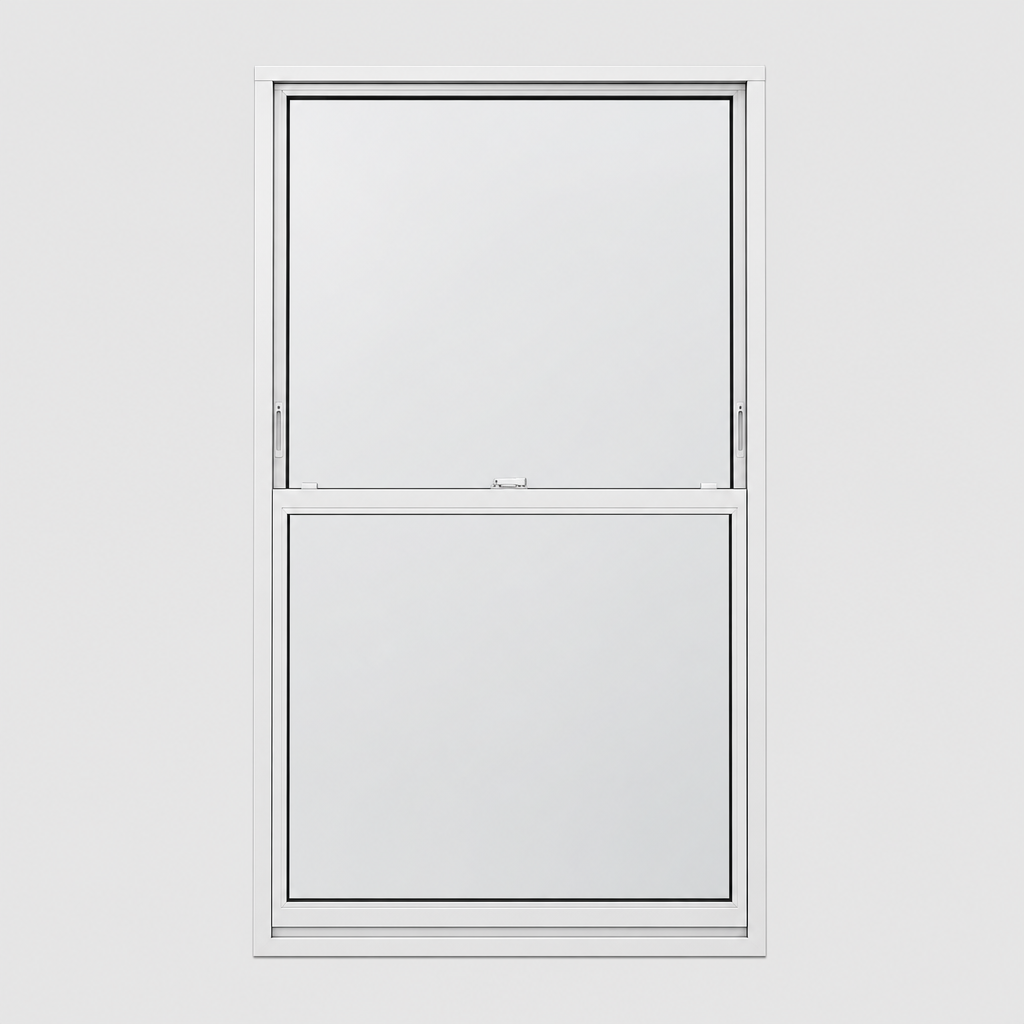
From enquiry to install
- Step 1
Send a photo and rough dimensions for an indicative price within a working day.
- Step 2
On-site survey and templating of the opening.
- Step 3
Manufacture, typically two to three weeks.
- Step 4
Room-side install with no external access required.
Recent installs nearby
Worksop Priory precinct terrace
Chronic bedroom mould eliminated with sealed lift-out panels behind original sashes.
Heeley riverside bedroom fix
Chronic sill condensation eliminated within one heating cycle after a sealed lift-out install.
Nether Edge Grade II sash retrofit
Six original box sashes fitted with balanced vertical secondary sliders — full listed-building consent secured in six weeks.
This room, town by town
- Bathroom glazing in SheffieldSouth Yorkshire
- Bathroom glazing in RotherhamSouth Yorkshire
- Bathroom glazing in DoncasterSouth Yorkshire
- Bathroom glazing in BarnsleySouth Yorkshire
- Bathroom glazing in ChesterfieldDerbyshire
- Bathroom glazing in WorksopNottinghamshire
- Bathroom glazing in HuddersfieldWest Yorkshire
Other rooms
- Bedroom glazingsleep through road, rail and neighbour noise
- Living room glazingmake the main reception room usable in winter and quiet enough for conversation
- Home office glazingtake calls without background traffic and keep the room warm on a working day
- Nursery glazingprotect daytime naps and keep a small room at a stable temperature
- Loft glazingfix the hottest-in-summer, coldest-in-winter room and the noise that comes straight off the roofline
- Kitchen glazingcut condensation over the sink and keep a hard-surfaced room from feeling cold
- Dining room glazingmake a rarely-heated room comfortable and quiet enough to eat and talk in
- Stairwell glazingclose the biggest uncontrolled heat path in a period house and protect stained glass
- Garden room glazingextend the usable season of a room that is currently too cold or too loud to sit in
Common questions
Will secondary glazing stop bathroom condensation?
It stops it forming on the room-side pane, which is where the water you can see comes from. Extract ventilation still matters for the rest of the room, and we will say so if the fan is undersized.
Will moisture get trapped in the cavity?
No, provided the cavity is vented outward. That is our standard detail for bathrooms and wet rooms.
Can I keep obscure glass for privacy?
Yes — the secondary pane can be obscure, and we match the pattern as closely as the range allows.
Talk it through first
Five minutes on the phone is usually enough to know whether this is the right fix.
Bathroom glazing — the short version
Stop condensation, mould and cold surfaces in the wettest room in the house, using a sealed lift-out or hinged panel with obscure or clear glass to match the primary. Lift-out panels are the usual answer because bathroom openings are small and rarely need to be used daily.