
Security Glazing for Windows
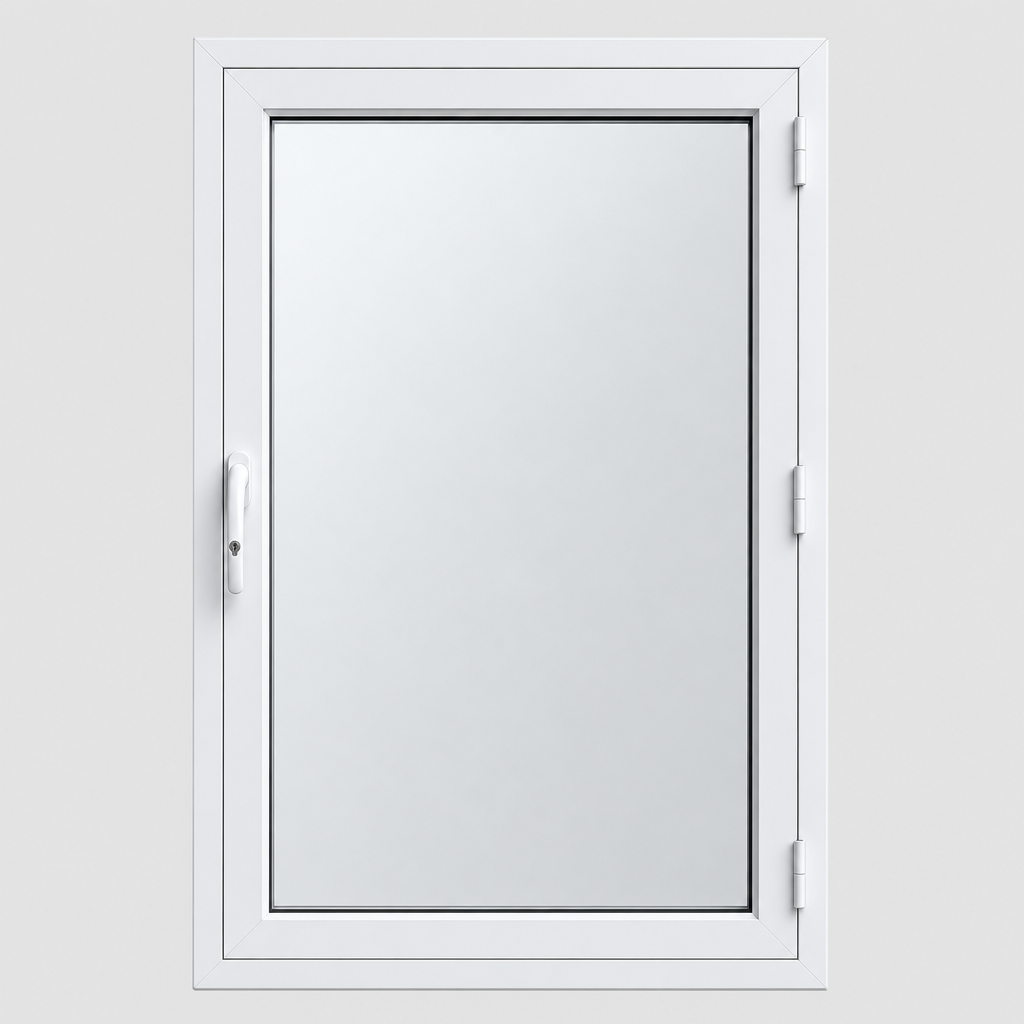
The simplest way to add security glazing to an existing window is a key-locked secondary unit with laminated glass fitted on the room side. It gives a burglar a second frame, a second pane and a second lock to beat, without replacing the original window.
The short answer
Security glazing means glass and frames designed to resist being broken through. On a new window that is built in. On an existing window, especially a period or listed one, you add it behind: a secondary unit with laminated glass and a locking handle. An intruder who breaks the outer pane still faces an intact, locked inner window.
- Key-locking handles
- Multi-point lock option
- Laminated glass upgrade
- Anti-jemmy interlocks
Two barriers, twice the delay
Most opportunistic break-ins are abandoned within 60 seconds if they can't get in quickly. A key-locked secondary glazing unit adds a second frame, a second pane and a second lock, enough delay to make the target unattractive.
Laminated safety glass
Optional 6.4mm or 6.8mm laminated glass holds together even when cracked, defeating the smash-and-grab method that gets past standard toughened glass. Laminated options are tested to EN 356 P2A/P4A. The same interlayer that holds the glass together also damps sound, so security and noise reduction come in one pane.
Security glazing compared with a new double glazed unit
A replacement double glazed window gives you one frame and one lock, however good the glass. Secondary glazing keeps the original window locked as it is and adds a completely separate locked frame behind it. For a ground floor sash that cannot take modern locks, or a listed window that cannot be replaced, that second line is often the only practical upgrade.
Which windows to prioritise
Start with the openings an intruder can reach unseen: rear ground floor windows, windows beside flat roofs and extensions, basement lights and side returns. Front windows in full view of the street are lower risk. Treating the vulnerable few first is usually better value than treating the whole house at once.
- Ground-floor sashes
- Rear commercial windows
- Listed and heritage sites
- Insurance-mandated upgrades
Locks and hardware
Key-locking handles are standard on ground floor specifications. Hinged and sliding units can take multi-point locking and anti-jemmy interlocks that stop a pane being levered out of its track. Keys should be kept near the window but out of reach from outside, so the unit can still be opened quickly in an emergency.
Escape and everyday use
Security should not trap you. On a bedroom escape window, choose a hinged unit that opens fully and keep the key in the room. Everyday ventilation is unchanged: unlock and open the secondary unit, then open the original window as before.
Living with a locked second window
Day to day, a security specification behaves like any other secondary glazing. Keys are needed only to open the unit, not to close it, and most owners leave the ground floor units locked through winter and use upstairs windows for airing. Laminated glass looks no different from ordinary glass, so there is no barred or boarded look from inside or out. Cleaning is the same as for any hinged or sliding unit: unlock, open and wipe both faces.
Insurance and commercial premises
For insurance-mandated upgrades we can supply the certification wording your insurer needs alongside the installation. On shops, offices and back-of-house commercial windows the same approach adds a locked inner barrier without any change to the frontage.
Frequently asked questions
Glass and frames designed to resist being broken through. On existing windows it is usually added as a locked secondary unit with laminated glass.
Ready for a free, no-obligation quote?
South Yorkshire's specialists in secondary glazing — survey, measure, manufacture and install.