
Window Security Weak Points: Where Break-Ins Actually Happen
Opportunistic entry is a time calculation. Most attempts are abandoned inside a minute if the target does not open quickly and quietly, which means the useful question is not how strong a window is but how long it takes to defeat and how much noise that makes.
The three weakest points on a period house
A Victorian sash fastener is a decorative catch that can be slipped with a blade through the meeting rail in seconds. A single-point casement catch on a 1930s steel frame can be levered at the opposite corner. And a rear or side window screened from the street by a fence or outbuilding gives an intruder unlimited working time — screening that protects your privacy protects theirs too.
- Slippable sash meeting-rail fasteners
- Single-point casement catches
- Rear and side windows screened from view
What a second layer actually adds
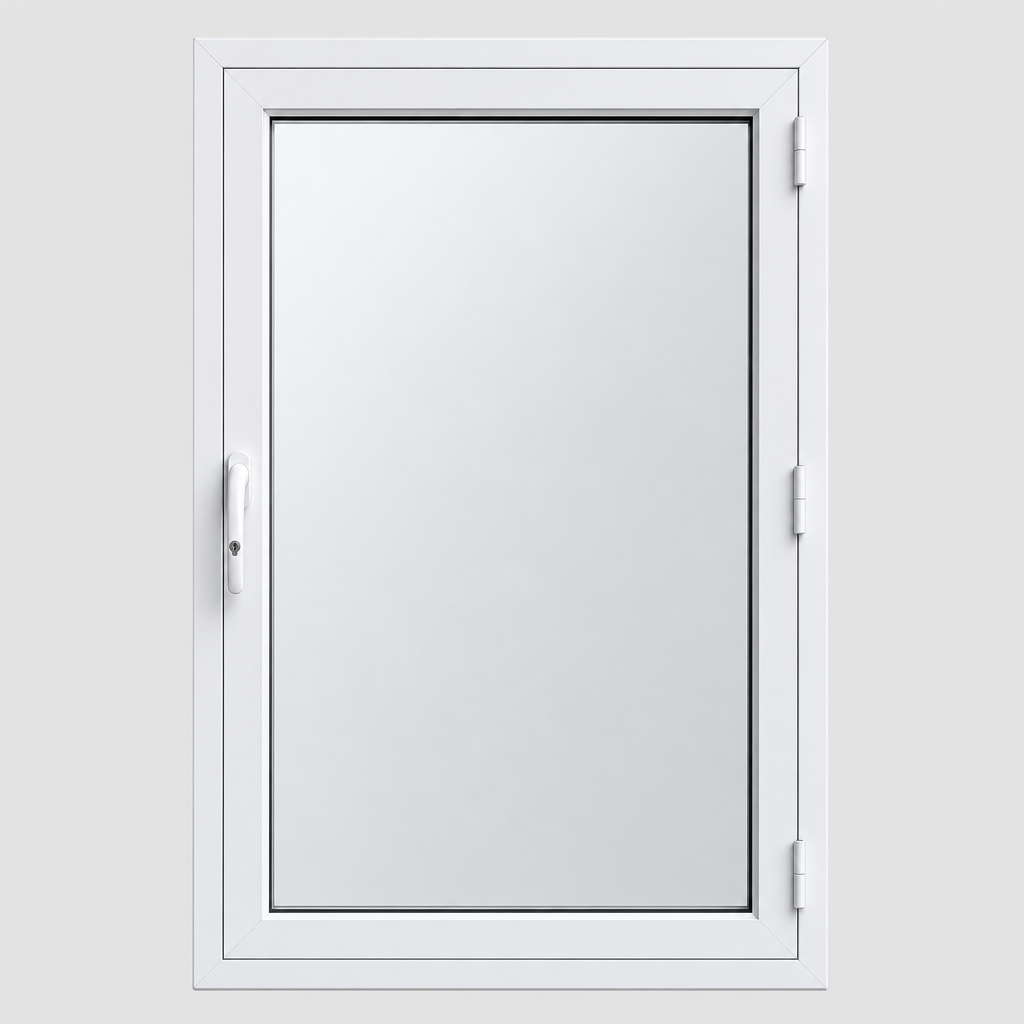
A key-locked secondary unit inboard of the original means a second frame, a second pane and a second lock — and critically, the intruder is now working in a confined reveal with no leverage angle. Laminated glass in the secondary panel holds together when struck, so the smash-and-reach technique that defeats a toughened pane does not work.
Insurance-specified work
If your insurer has attached a glazing condition after a claim, send us the wording. We match the specification, including EN 356 P2A or P4A laminated where required, and supply documentation of what was installed so the condition can be signed off.
Frequently asked questions
It depends entirely on the wording your insurer has used. Send it to us and we will tell you plainly whether our specification meets it before you commit.
Ready for a free, no-obligation quote?
South Yorkshire's specialists in secondary glazing — survey, measure, manufacture and install.