
Secondary Glazing Options for Sash Windows
Original box sash windows are the most common thing we fit behind, and they are also the most demanding, because whatever goes in front of them has to respect the proportions, keep the sashes usable, and clear whatever else lives in the reveal.
Balanced vertical sliders: the natural match
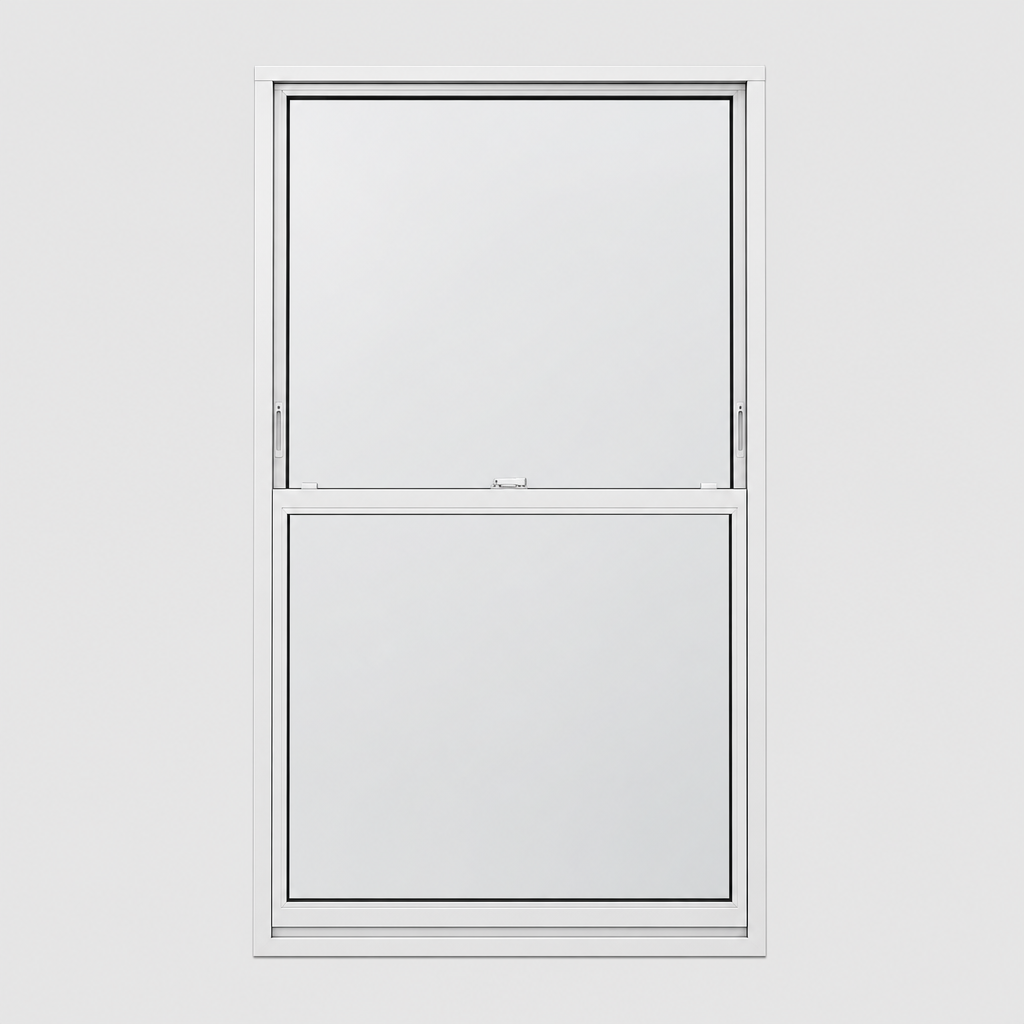
A balanced vertical slider mirrors the original window's operating pattern. Both sashes move, concealed spring balances tuned to the glass weight hold them at any height, and the meeting rail can be aligned with the original meeting rail so the two windows read as one. It is the most expensive option and it is the one that looks and feels right in a period room. If you actually open your sashes, this is the system.
- Matches the original operating pattern
- Meeting rail alignable with the primary window
- Both sashes fully operable
- Balances tuned to the specific glass weight
Horizontal sliders: the value option
A two panel horizontal slider is simpler, lighter and cheaper, and behind a sash window it works perfectly well provided the horizontal division does not fight the vertical rhythm of the original. On wide sashes it can look busy. On narrower ones, or where cost is decisive, it delivers the same acoustic and thermal performance for less money, since performance comes from cavity, glass and seal rather than direction of travel.
Hinged units: access and cleaning
A side hung hinged unit swings fully clear, which makes cleaning the cavity faces trivial and gives unrestricted access to the original sashes for maintenance and repainting. It suits narrower openings, and heavy duty variants take sealed double glazed units where thermal performance is the priority. The swing needs clear room space, so check what the curtains, furniture and shutters are doing.
Lift out panels: minimum cost, minimum intrusion
A single sealed panel on turn catches, lifted out when you need access. It has the cleanest appearance, the best seal, and the lowest cost. It suits windows you never open, upper sashes in a two part arrangement, and rooms where summer ventilation comes from elsewhere. It is not the right answer for a bedroom you air every morning.
Working around shutters, cords and architraves
Period reveals are crowded. Original panelled shutters need to fold back into their boxes, which usually means the secondary frame sits inboard of the shutter line or the shutters are made non operable by agreement. Sash cords, pulley wheels and staff beads must stay accessible if you want the original window to remain maintainable. Deep moulded architraves may need the frame set on a subframe rather than fixed directly. We record all of this at survey.
Keeping the sight lines honest
The detail that separates good from adequate is alignment. The secondary meeting rail should line up with the primary meeting rail, vertical mullions should sit behind glazing bars rather than beside them, and the frame colour should relate to the joinery. Done well, from inside the room you read the original window and the secondary glazing disappears. Done carelessly, you read a grid in front of a grid.
If the sash itself needs work
Secondary glazing improves a window, it does not repair one. If cords are broken, the meeting rail no longer closes, or the bottom rail is soft with rot, deal with that first. A refurbished sash behind good secondary glazing is a combination that lasts decades. Secondary glazing in front of a failing sash simply hides a problem that is still progressing.
Frequently asked questions
Yes with sliders and hinged units. With lift out panels the panel must come out first, which is why they suit rarely opened windows.
Ready for a free, no-obligation quote?
South Yorkshire's specialists in secondary glazing — survey, measure, manufacture and install.