
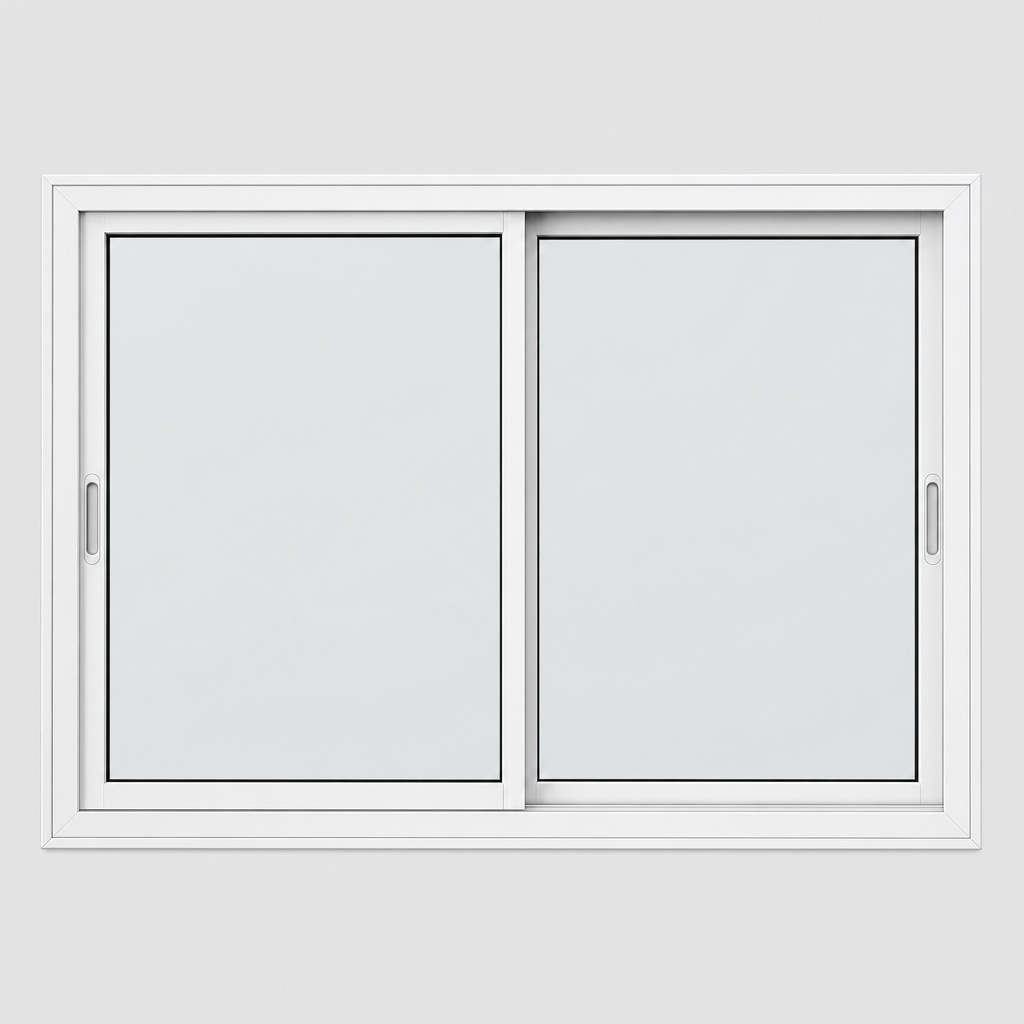
Horizontal vs Vertical Sliding Secondary Glazing
Pick a vertical slider for sash windows and tall, narrow openings, because it moves the same way as the original and hides its meeting rail. Pick a horizontal slider for casements, wide openings and anywhere a unit must slide sideways to reach a handle.
How a vertical slider works
Two aluminium sashes run up and down in side channels, held in place by concealed spring balances matched to the weight of the glass. You can open the top, the bottom or both. It mirrors the movement of a box sash, so its meeting rail can be set directly behind the original meeting rail and practically disappears.
How a horizontal slider works
Two or three panes run sideways on top and bottom tracks. Sliding one pane across gives access to part of the original window, then another. There are no balances, which keeps the mechanism simple, and the meeting stiles can be positioned behind the original mullions on a casement or bay.
Which windows each suits
The shape and movement of the original window usually decide it.
- Vertical: box sash windows
- Vertical: tall, narrow openings
- Horizontal: side hung casements
- Horizontal: wide openings and bays
- Horizontal: windows behind worktops
- Either: fixed windows, though a lift out is often better
Access to the original window
On a sash window, a vertical slider lets you raise the secondary sash, then raise the original, just as before. A horizontal slider on the same window puts a vertical meeting stile across the middle of the view and only ever exposes half the sash. On a casement the reverse is true: a vertical slider leaves a rail across the handle zone, while a horizontal slider clears one full leaf at a time.
Noise and warmth
Both types reach similar acoustic and thermal performance when the glass, cavity and seals are the same. The meeting point between panes is where sound and air leak, so both rely on good brush and compression seals there. For the strongest acoustic result the choice of laminated acoustic glass and cavity depth matters more than slider direction.
Cleaning
Vertical sliders on our range tilt in for cleaning, so both faces can be reached from inside. Horizontal slider panes lift out of their tracks. Both give access to the cavity, which needs a wipe once or twice a year.
Appearance
On period sashes, a vertical slider is the more discreet choice because it follows the existing horizontal lines. On steel or timber casements, a horizontal slider follows the existing vertical lines instead. In each case the aim is the same: no new lines across the view that were not there before.
Mixing both in one house
It is normal for one house to need both. A Victorian terrace may have vertical sliders on the front sash windows and horizontal sliders on a later casement at the back. A converted mill may have tall sashes on one floor and wide steel casements on another. Choosing each window on its own merits, rather than forcing one style through the whole house, gives a result that is easier to live with and looks right from every room. The survey records the movement, size and obstructions for each opening so the recommendation is window by window.
Price
Our published cost guide lists horizontal sliders below vertical sliders at every window size, because a horizontal unit has no balance mechanism. That difference is worth weighing, but choosing the wrong direction to save money usually leads to a window that is awkward to use every day. Ask for both options on your quote if you are unsure, and compare them against how you actually open the window through the year.
Frequently asked questions
Neither is better overall. Vertical suits sash and tall windows; horizontal suits casements and wide openings.
Ready for a free, no-obligation quote?
South Yorkshire's specialists in secondary glazing — survey, measure, manufacture and install.