
Bedroom Noise Reduction: A Practical Checklist
A bedroom is the room where noise costs you the most, and it is also the easiest room to get a genuinely good result in, because it is small, it has few openings, and you only need it to be quiet at night. Work through this checklist in order.
Identify the noise honestly
Stand in the room at the time it bothers you, not at midday. Is it continuous traffic, intermittent peaks, aircraft, rail, a neighbouring pub, or a heat pump next door? Continuous mid frequency noise responds very well to glazing. Low frequency bass and impact noise from a shared wall respond much less, and no window product will fix a party wall. Getting this right at the start prevents disappointment later.
Check where the air is getting in
Sound follows air. On a still evening, run the back of your hand around the window perimeter, the sash meeting rail, the cill, the letterbox if it is a ground floor room, and any vent. Anywhere you feel air movement is a direct acoustic path. In an old sash window the gap at the meeting rail alone can undermine an otherwise decent pane.
Specify the glazing for the actual problem
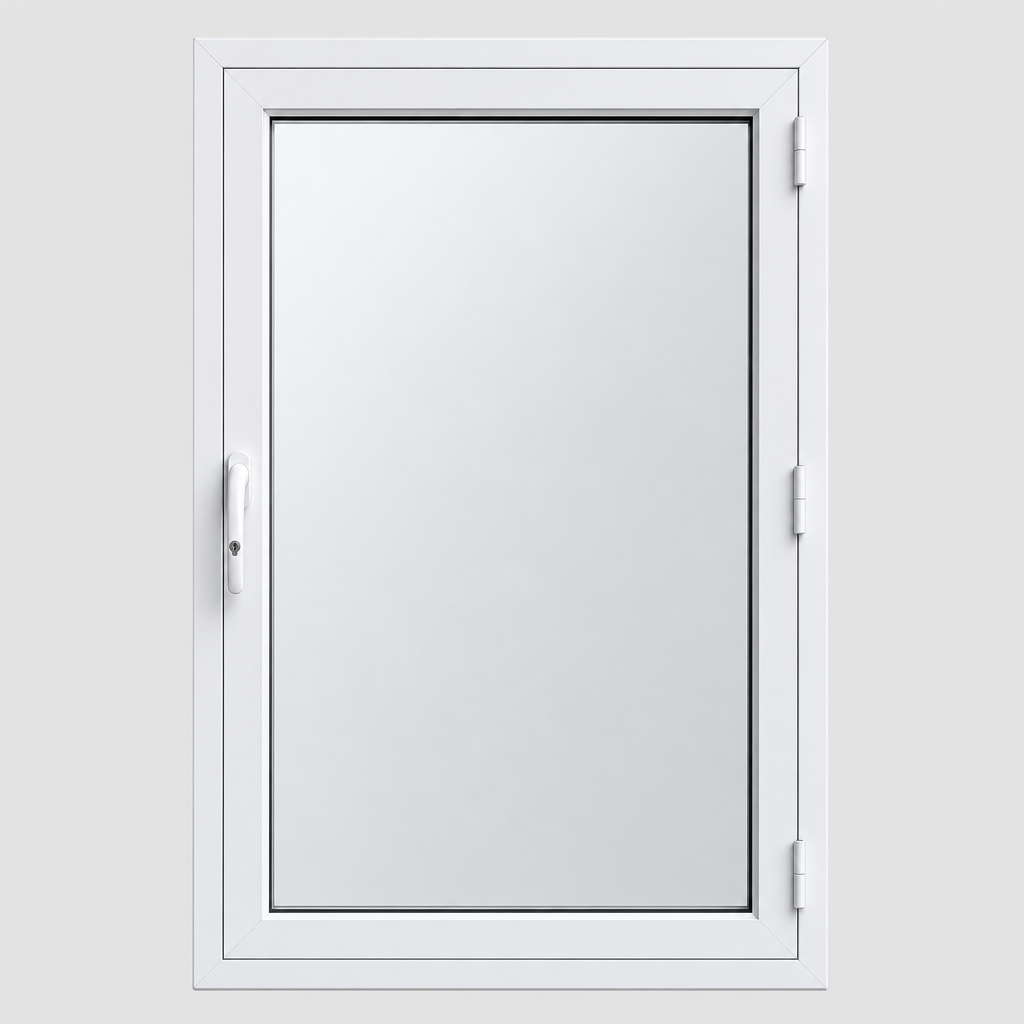
For most bedrooms the answer is a secondary unit with the deepest cavity the reveal allows and 6.4mm or 6.8mm acoustic laminated glass. If cold is also a complaint, a Low E coating can be combined with laminate. If the window is small and rarely opened, a lift out panel seals slightly better and costs less. If you sleep with the window open in summer, choose a slider so opening stays effortless.
- Cavity: as deep as the reveal allows
- Glass: 6.4mm or 6.8mm acoustic laminated
- Seal: continuous around the full perimeter
- Operation: match how you use the room
Do not forget the door
Once the window is treated, internal noise from the landing, stairs and street door becomes noticeable in a way it never was. A solid core door, a decent set of stops and a draught seal around the frame is inexpensive and makes the treated window feel like it worked better than it did.
Keep the ventilation strategy intact
A well sealed bedroom with two adults breathing in it will build humidity overnight. Plan how the room breathes: trickle vents in the secondary frame, a background vent elsewhere, or simply the habit of opening the window during the day. This is not optional, it is what stops a quieter bedroom becoming a damper one.
Look at the flanking paths
Sound also arrives through the roof on a top floor room, through an uninsulated loft hatch, through a boxed soil pipe, through an unused chimney and up through suspended timber floors from the room below. If the window is treated and the room is still noisy, these are the usual suspects, and a chimney balloon or a bit of loft hatch weatherstripping is cheap to try.
Soft furnishings, in perspective
Curtains, rugs and upholstery change how the room sounds inside it, by reducing reverberation. They do very little to stop sound entering from outside. Heavy interlined curtains over a treated window are pleasant and slightly helpful, but they are the last few per cent, not the solution. Spend on the cavity first.
Frequently asked questions
No. They soften the room acoustically but do almost nothing to stop transmission through the glazing.
Ready for a free, no-obligation quote?
South Yorkshire's specialists in secondary glazing — survey, measure, manufacture and install.