
Reducing Traffic Noise in a Terraced House
A terrace on a busy road has a particular problem. The front elevation is close to the carriageway, the rooms behind it are the ones you live and sleep in, and the original windows are typically single glazed sashes or casements with gaps you can see daylight through. The good news is that the fix is well understood and follows a clear order.
Start with the front bedroom
Noise complaints are almost always sleep complaints. If the budget will not stretch to the whole house at once, treat the rooms you sleep in first, then the front living room. Doing the back of the house first feels productive and changes almost nothing, because the back elevation is already shielded by the building itself.
Specify the cavity before the glass
The distance between your existing glass and the new pane is the strongest lever you have, and in a terrace with reasonable reveal depth you can usually achieve 100mm or more. Where the reveal is shallow, a subframe brings the new frame far enough into the room to get the depth. It is worth losing a small amount of reveal to gain the acoustic separation, and it is worth insisting on it when comparing quotes.
- Aim for 100mm or more where the reveal allows
- Use a subframe to gain depth in shallow reveals
- Keep the cavity clear of clutter and blinds
Then specify the glass
For road noise, 6.4mm or 6.8mm acoustic laminated glass is the usual choice. The laminate interlayer damps the pane so it does not ring, and the thickness is deliberately different from your original glass so their weak frequencies do not coincide. Going thicker than 6.8mm gives diminishing returns and adds weight that pushes hardware up a grade.
Seal everything, not just the window
Once the window is treated, noise finds the next weakest route. In a terrace that is usually the front door, the letterbox, the gap under the door, an unused air brick, an old extract vent, or the void behind a boxed in meter cupboard. A brush sealed letterbox and a decent door threshold are cheap and make an audible difference next to a treated window.
Deal with the bay properly
Front bays are the hardest part of a terrace to get right because they present three or five facets to the road and often have shallow reveals and heating pipework under the cill. Each facet needs its own panel, the corner posts need to seal against each other, and the head detail has to follow whatever the bay actually does rather than what it should do. This is templating work rather than measuring work, and it is where cheap quotes tend to fall apart.
Keep the window usable
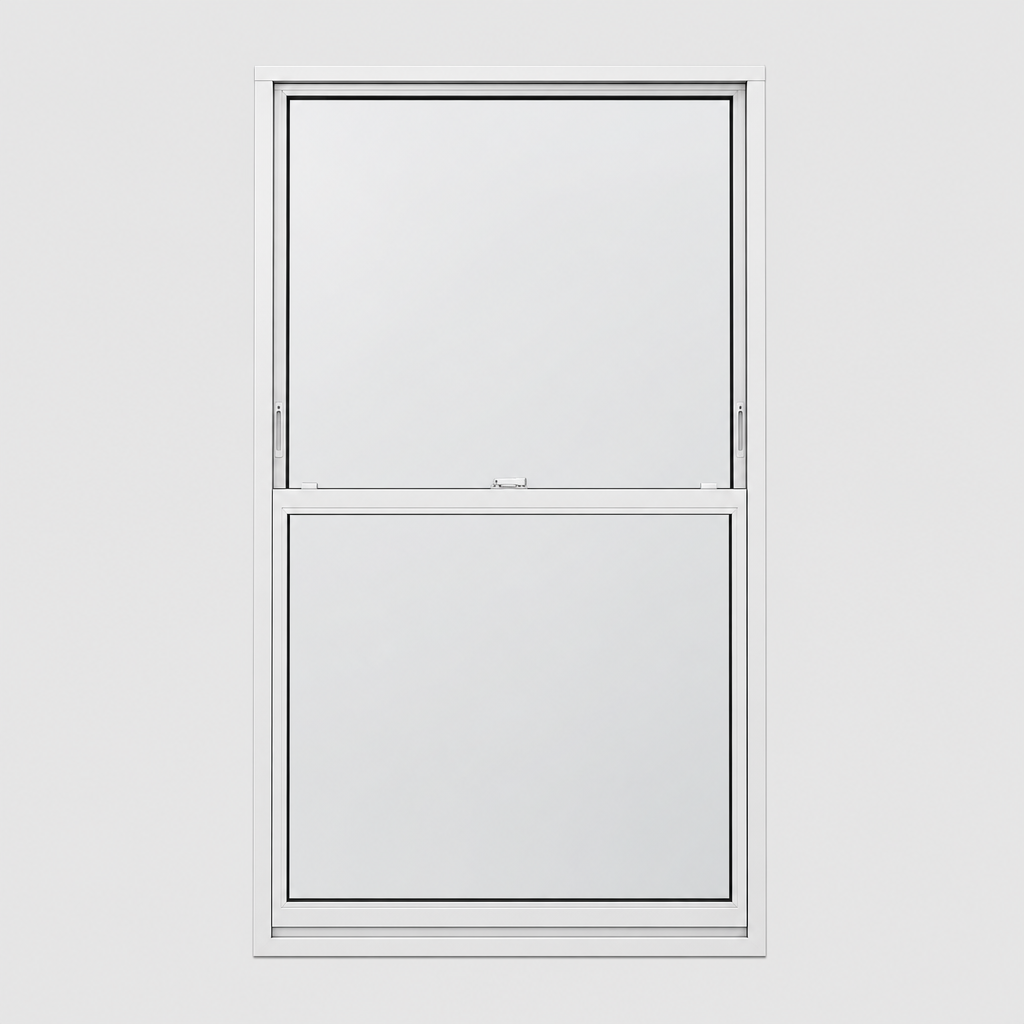
There is no point silencing a bedroom you then cannot ventilate. Horizontal sliders let you open a section in seconds. Balanced vertical sliders behind a sash keep the original operating pattern. Hinged units give full access for cleaning the cavity faces. Choose the system that matches how you actually use the room, because a panel that is awkward to open ends up staying shut in summer.
What to expect afterwards
People describe the change as the traffic becoming a background hum rather than a sequence of individual events. Braking, acceleration and heavy vehicles soften most noticeably, because those are the peaks. Deep bass from lorries and buses reduces but does not disappear, since low frequencies pass through the whole building fabric, not just the glass.
Frequently asked questions
Almost certainly yes, as a background level. The change people notice is that individual vehicles stop being distinguishable and stop waking them.
Ready for a free, no-obligation quote?
South Yorkshire's specialists in secondary glazing — survey, measure, manufacture and install.