
High Quality Glass and Alumnium Secondary Glazing
- Sleek and Unobtrusive Design
- Reduce External Noise
- Increase Home Security
- Improve Thermal Efficiency
High Quality Glass and Alumnium Secondary Glazing
- Sleek and Unobtrusive Design
- Reduce External Noise
- Increase Home Security
- Improve Thermal Efficiency
Get a Price
High Quality Glass and Alumnium Secondary Glazing
- Sleek and Unobtrusive Design
- Reduce External Noise
- Increase Home Security
- Improve Thermal Efficiency

10 year Guarantee

Manufactured in GB

Glazing Specialists

200+ RAL Colours
What is Secondary Glazing?
Secondary Glazing is a second custom-made window, attached to the inside of your existing window, creating a double glazed effect, without damaging or changing your original windows. Secondary Glazing Company is designed to be discreet and compliment the appearance, décor style and property type, see our Quick Guide for more information on secondary glazing.
What makes Secondary Glazing Company unique?
- Lab accredited thermal and acoustic insulation
- Durable and long lasting Aluminium Frames
- Toughened Safety Glass
- Patented Seals
- Manufactured in the UK
- Leading Secondary Glazing specialists
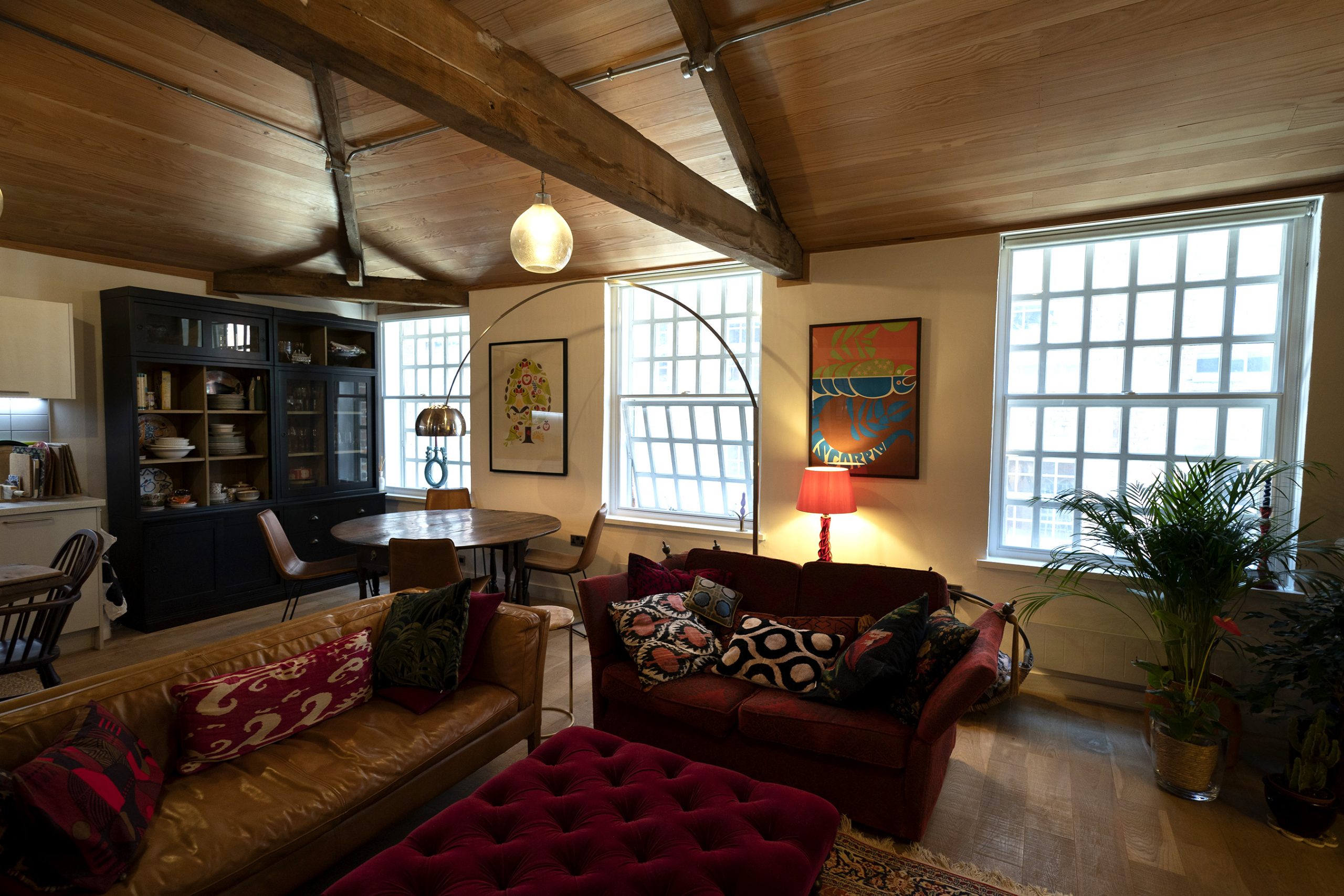
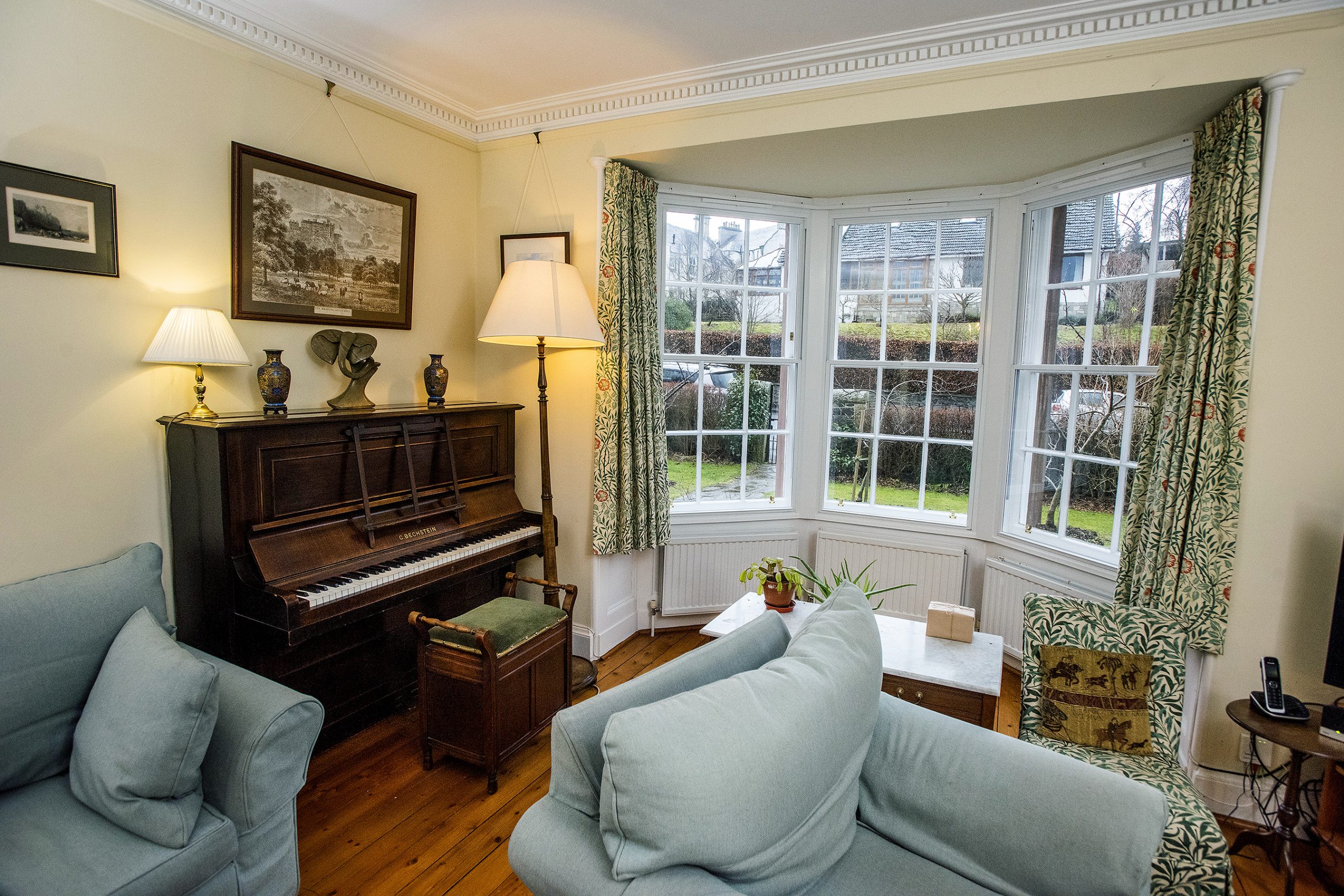
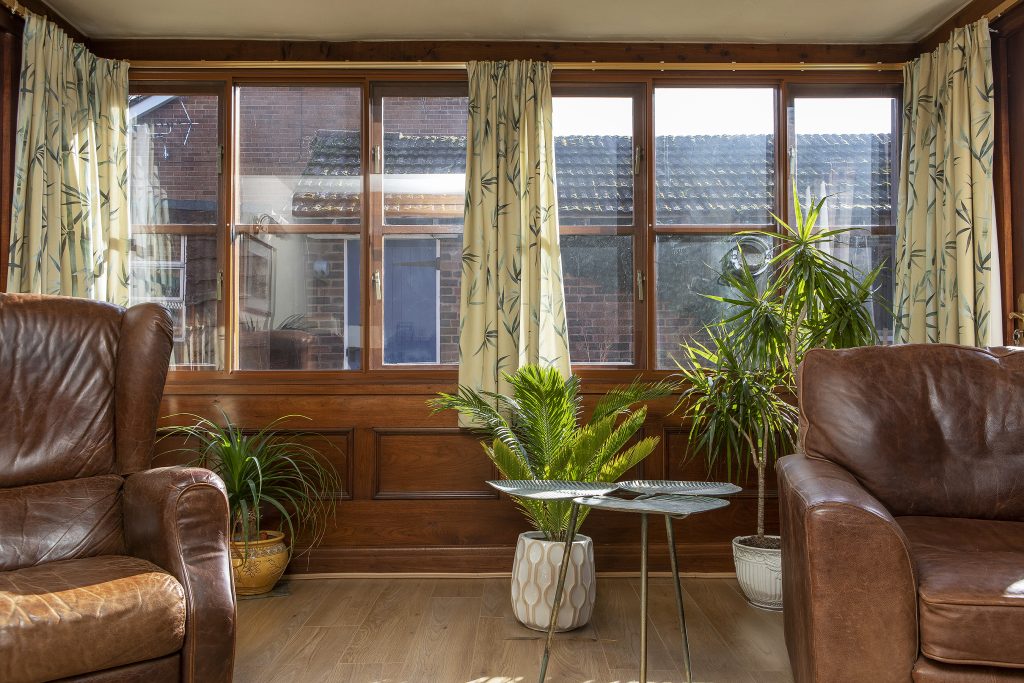
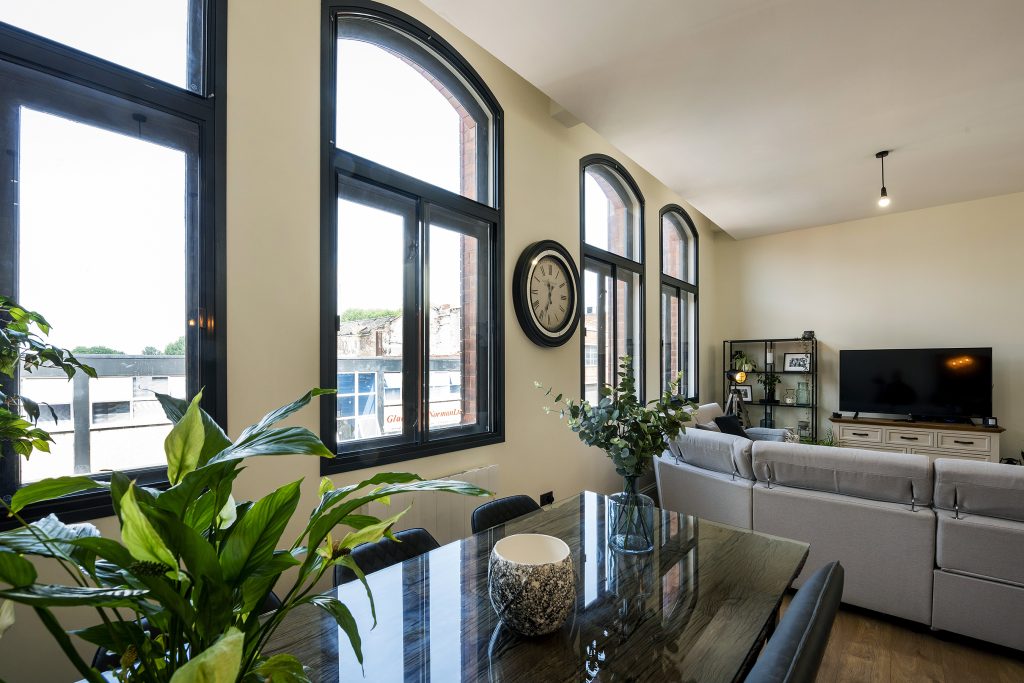
Can you spot the Secondary Glazing?
Which of Our Secondary Glazing Products Best Suits Your Needs?

Horizontal Sliders
Our most popular secondary glazing product! Mainly because, it’s so multifunctional and appropriate for all buildings.

Vertical Sliders
Our most sophisticated product, created with your sash window in mind. Weighted technology for ease of access

Hinged Casement
From heavy-duty, to slim-line options for a truly unobtrusive option. Our most secure range.

Lift Out Windows
Our most cost effective option that can match any size, shape & opening. Your options are endless.

Vision Range
We know not all windows are square. Our entire range is available in various arches and shapes to suit your unique needs. From gothic arches to circles, we can template your window to ensure a perfect fit for every home.
Retain your homes original style
Increased Energy Efficiency
Secondary glazing improves the comfort of your home and helps to reduce your heating bills, reducing energy consumption and carbon emissions. Secondary glazing systems are renowned for their thermal efficiency performance and can be further enhanced by utilising Pilkington K or Low E glazing. After your secondary glazing is installed, the thermal efficiency of the window can increase by 60-70%.
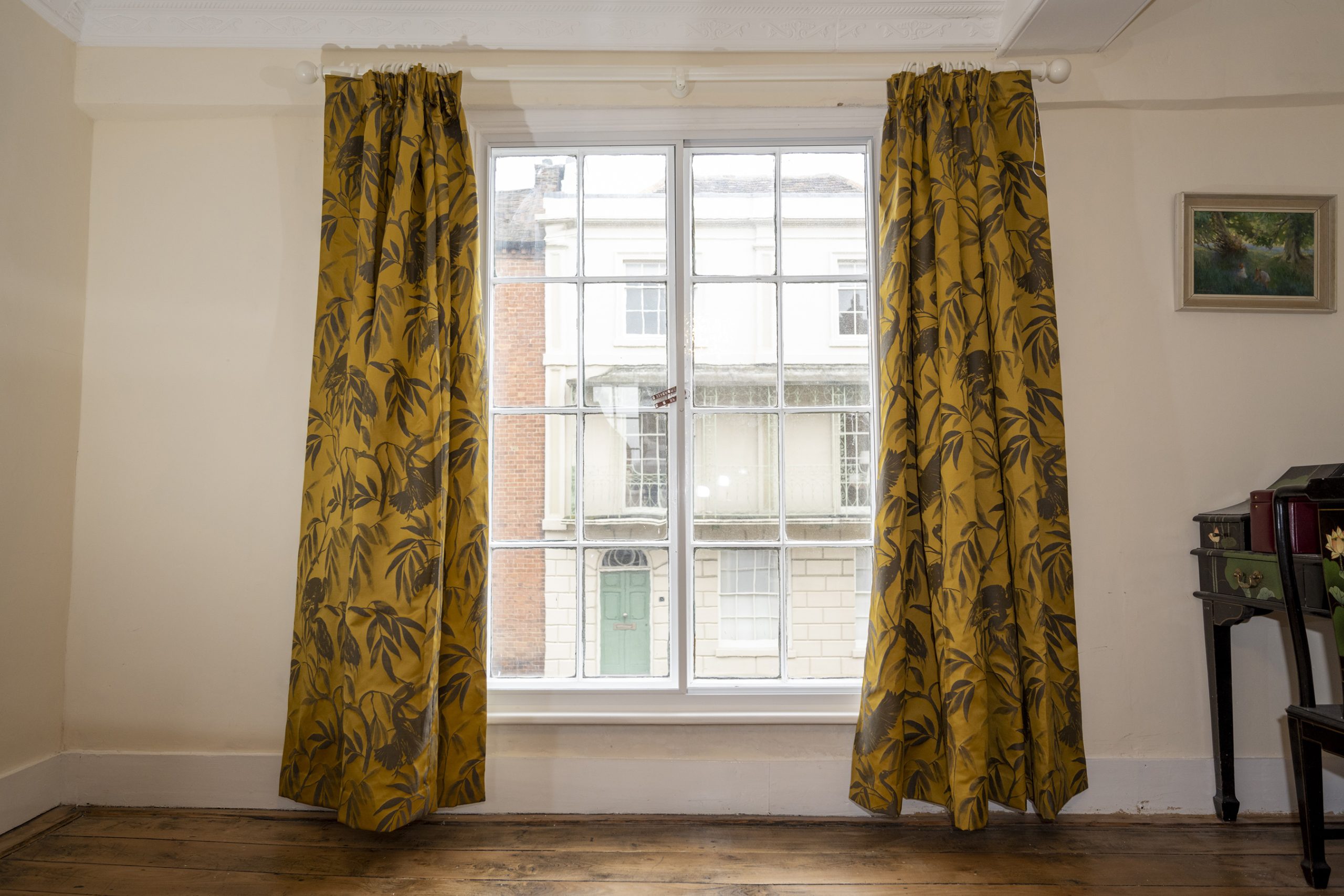
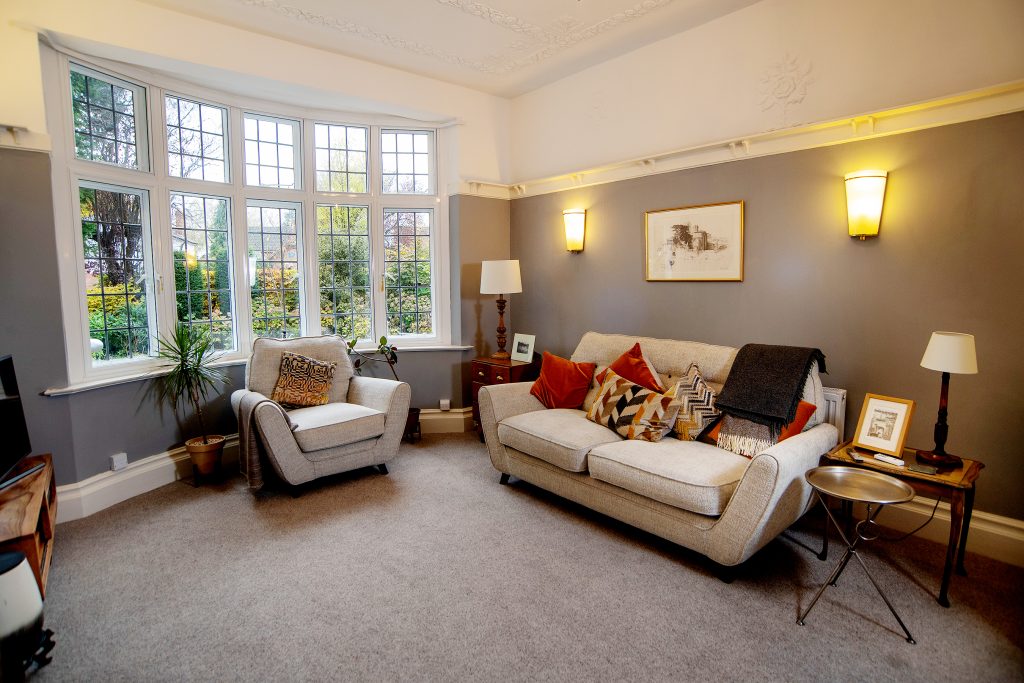
Reduce External Noise
With the right specification of secondary glazing and acoustic glass, a reduction in excess of 50 decibels of noise can be achieved, which can be 5 x times that of double or triple glazing (that’s a reduction of almost 80% of the noise entering a room). A reveal fix is the option to select when there isn’t sufficient frame on the primary window to attach the secondary glazing unit.
Increased Security
The secondary glazing panel at a window or door creates an additional security obstacle for an intruder to breach; a discreet barrier which blends unobtrusively with its surroundings internally and externally. Secondary Glazing have a range of optional security locks and handles which further enhance security. Additionally, by specifying Heaver toughened or laminated glass, security can be increased even further.
Reduce Condensation
Secondary glazing provides an effective internal seal, allowing for balanced ventilation in the space between the primary glass and the secondary glazed unit. This seal prevents the inner glass becoming too cold, stops condensation forming. Secondary glazing is a simple to fit, cost-effective solution – fit by our approved installers.
Secondary Glazing FAQ's
Yes, we can provide most glass types, based on the specific needs of your project.
The standard glass is 4mm toughened, This safety glass is a minimum requirement where building regulations demand health and safety considerations, including the distance from floor and doors.
All our glass options conform to BS6206: 1981 / BS EN 12600 for impact resistance.
We do not offer float (non-safety glass).
Subject to panel size this may default to 6mm toughened.
Laminated, Acoustic, Thermal Low-E, and Obscure glass options can be accommodated.
The standard for Sliding, Lift-Out, Hinged & Insert panels are single glazed.
This ensure the frame profiles are manageable size to operate as an unobtrusive secondary window, creating a double glazed arrangement with the primary window. This offers significantly higher soundproofing performance than double glazing (which is a poor acoustic barrier) thermally it will offer equivalent performance to many double glazed products – see the performance data in the Help Centre
- The Vision range can accommodate up to a 6.8mm glass
- The Vision Ultra Panel fits the standard frame options but can accommodate between an 8.8mm to a 10.8mm glass.
The Vision HD Hinged System can accommodate up to a 28mm Sealed double glazed unit.
See our Full Glass Ranges options
What is Low-E Glass?
Low-emissivity glass (or low-e glass as it is commonly referred to) is a type of energy-efficient glass designed to prevent heat escaping through your windows to the cold outdoors. Low-e glass such as Pilkington K Glass™ Range has an invisible coating which reduces heat transfer and reflects interior heat back into your room. This can offer a 5-10% increase to the thermal performance of a non-coated glass.
With secondary glazing it is a hard coat application, it has a robust quality, but can be scratched if abrasive materials are used to clean the glass, see maintenance.
What is Laminated Glass & Acoustic Laminate Glass.
Both are basically the same structure, with 2-layers of glass sandwiching a polymer sheet, the plastic film us usually 0.4mm or 0.8mm thick, so a 6.4mm Laminate is 2 layers of 3mm glass either side of a 0.4mm film, an 8.8mm laminate is 2-layers of 4mm glass either side of an 0.8mm film.
With a standard laminate, the plastic layer will increase impact resistance and a high performing safety / security option.
With the Acoustic Options, it is exactly the same make-up, but the polymer liner is a material called Polyvinyl butyral (PVB) which enhances the ability to absorb and dissipate the sound energy within the glass structure more effectively.
Obscure glass options are available but priced on application
It is difficult to give exact details, as every property and everybody can be affected differently by noise pollution, however the science confirms, Clearview Secondary Glazing can reduce noise by as much as 80% or by over 50 decibels, (a reduction of 3dB is equivalent to halving the noise energy) this is 5 times greater than either double or triple glazing. This is subject to final specification and installation limitations, these details can be clarified during a consultation with one of our advisors. But the number one target is to try and put as much space between the existing glass and new secondary glass, The bigger the air-gap the better the performance. if the space allows try and get 100mm + to an optimum 150mm to 200mm. where space is limited a thicker glass will help. We always recommend starting with a 6mm glass for soundproofing.
We have test certification which confirms that Clearview Secondary Glazing can enhance the thermal insulation of a single glazed window by as much as 65% or a U-Value of 1.868 W/m2K (a U-Value is the formula for measuring heat loss the bigger the number the more inefficient the window is, a standard single glazed window has a recognised U-Value of approx. 5.8 W/m2K. This performance is better than a Class C, with some products this performance can be as much as A+. English Heritage and Historic Scotland carried out research through Glasgow University which showed secondary glazing out performed double glazed replacement windows. This is subject to final specification and installation limitations these, details can be clarified during a consultation with one of our advisers. see our Thermal Insulation pages.
The cost of secondary glazing varies depending on factors such as the size of your windows, the type of glazing chosen, and the complexity of the installation. Typically, prices start from £163.66 per window, making it a more affordable alternative to double glazing. Investing in secondary glazing not only reduces energy bills but also enhances comfort and property value. Secondary glazing is a cost-effective solution for improving energy efficiency, sound insulation, and security in your home, get a quick and easy quote to find out what it will cost you.