Norton · S8
Bathroom glazing in Norton, Sheffield
We fit bathroom glazing across Norton (S8), about 4 miles from central Sheffield. The opening is typically a small obscure-glazed top light or a single narrow casement, and locally that means small-pane sashes and mullions — which sets the specification more than anything else does. Norton is a conservation area, so the work stays room-side and the frontage is unchanged from the pavement. Owners here are usually working under consent constraints, so the specification has to satisfy a conservation officer before it satisfies a decibel target. Our vans are in Sheffield most weeks; Norton is roughly 4 miles out from the centre, comfortably inside the South Yorkshire coverage area.
Survey notes from the area
Bathroom cavities are vented to the external side so any moisture that does reach the gap dries outward rather than sitting on the primary pane.
Obscure glass options are matched to the existing pattern where the window is overlooked, so privacy is unchanged.
In Norton the stock is georgian village core plus 1930s estates with small-pane sashes and mullions, so the bathroom opening is normally a small obscure-glazed top light or a single narrow casement.
Lift-out panels are the usual answer because bathroom openings are small and rarely need to be used daily.
The brief we hear most around Graves Park: protected small-pane sashes needing a discreet acoustic layer.
The technical answer
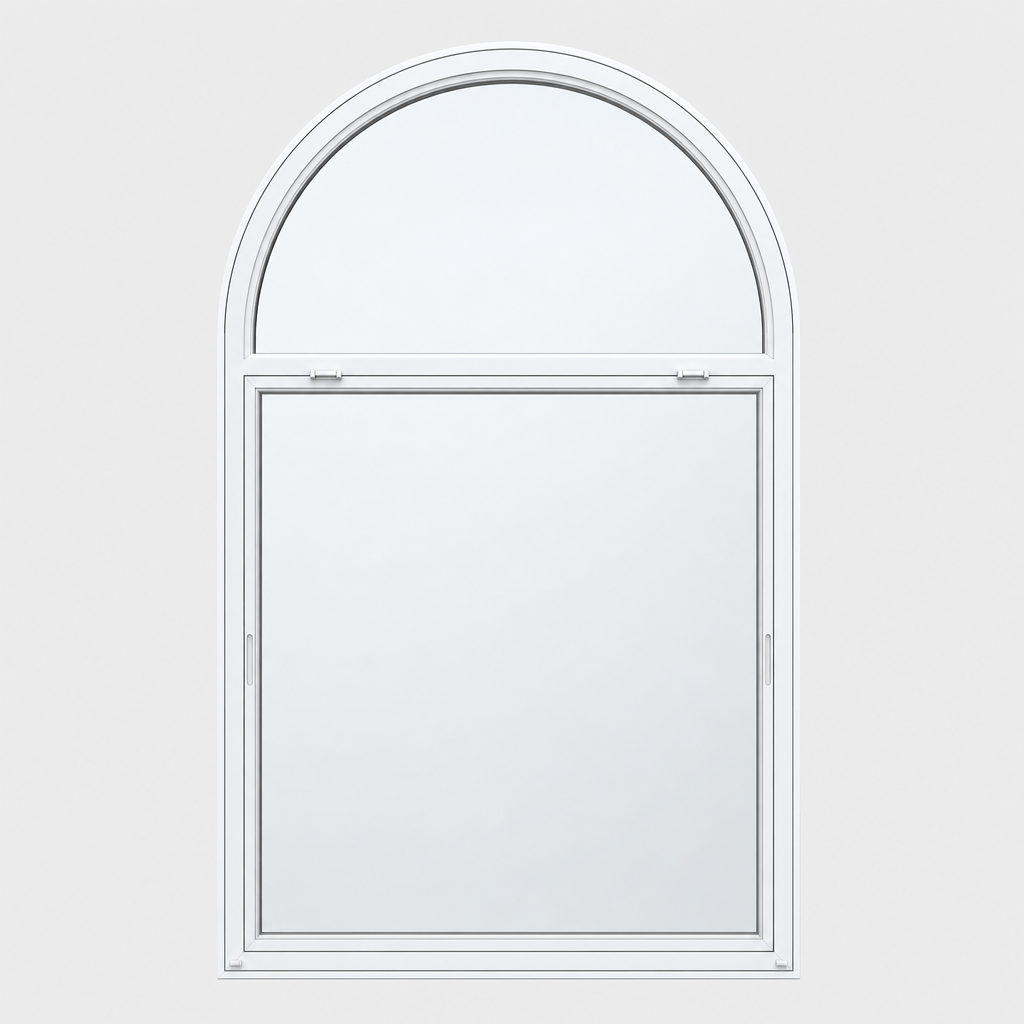
| Glass specification | a sealed lift-out or hinged panel with obscure or clear glass to match the primary |
|---|---|
| Typical opening | a small obscure-glazed top light or a single narrow casement |
| Priority | Surface temperature and moisture control |
| Operation | lift-out panels are the usual answer because bathroom openings are small and rarely need to be used daily |
| Common objection | Won't it trap moisture between the two panes? — Not if the cavity is vented to the outside rather than the room, which is how we detail every bathroom install — moisture is pushed out, not held in. |
A whole-house residential install is normally completed within a single working day.
Aluminium systems are powder-coated to any RAL colour at no extra lead time.
Cavity depth does more for acoustic performance than glass thickness, and we design for it first.
Measured performance figures come from our own post-install testing, not manufacturer maximums.
The practical side
- Step 1
Photo or dimensions by email gets you an indicative price for the bathroom within one working day.
- Step 2
Survey visit in Norton — we template the opening and record hardware projection rather than working to a nominal size.
- Step 3
Manufacture to your opening, typically two to three weeks depending on finish.
- Step 4
Install: a single bathroom is usually a half-day with no mess and no exterior access.
Local reference points
- Area
- Norton (S8)
- Town
- Sheffield, South Yorkshire
- Housing era
- Georgian village core plus 1930s estates
- Typical windows
- small-pane sashes and mullions
- Landmark
- Graves Park
- Conservation area
- Yes — room-side install standard
- Room
- Bathroom
- Distance to centre
- 4 miles
Bathroom glazing in nearby areas
Recent installs nearby
Nether Edge Grade II sash retrofit
Six original box sashes fitted with balanced vertical secondary sliders — full listed-building consent secured in six weeks.
Ecclesall Road bay-window sound retrofit
Three-panel horizontal sliders across a 3.2 m Edwardian bay — Rw measured at 47 dB post-install.
Kelham Island loft conversion
Four large steel-frame factory openings sealed with slim satin-anodised horizontal sliders. Post-install U-value 1.87 W/m²K.
Consent-ready specification — Bathroom
We prepare the drawings and product data your conservation officer will ask for, free with the quote. Tell us it is the bathroom in Norton (S8) and we will price that opening first — stop condensation, mould and cold surfaces in the wettest room in the house.
Common questions
Will secondary glazing stop bathroom condensation?
It stops it forming on the room-side pane, which is where the water you can see comes from. Extract ventilation still matters for the rest of the room, and we will say so if the fan is undersized.
Will moisture get trapped in the cavity?
No, provided the cavity is vented outward. That is our standard detail for bathrooms and wet rooms.
Can I keep obscure glass for privacy?
Yes — the secondary pane can be obscure, and we match the pattern as closely as the range allows.
Will the conservation officer accept this?
Room-side secondary glazing is the standard recommendation in Historic England guidance because it is reversible and invisible externally. We supply the drawings with the quote.
Is anything fixed into the original joinery?
No. We fix into the reveal or a timber subframe, never the historic sash or casement itself, so the install fully reverses.
Bathroom glazing in Norton — the short version
The room-side surface temperature rises above the dew point of typical bathroom air, so the condensation stops forming in the first place. We fit a sealed lift-out or hinged panel with obscure or clear glass to match the primary room-side, so the original small-pane sashes and mullion stays exactly as it is and the work is fully reversible.