Crosspool · S10
Casement glazing in Crosspool, Sheffield
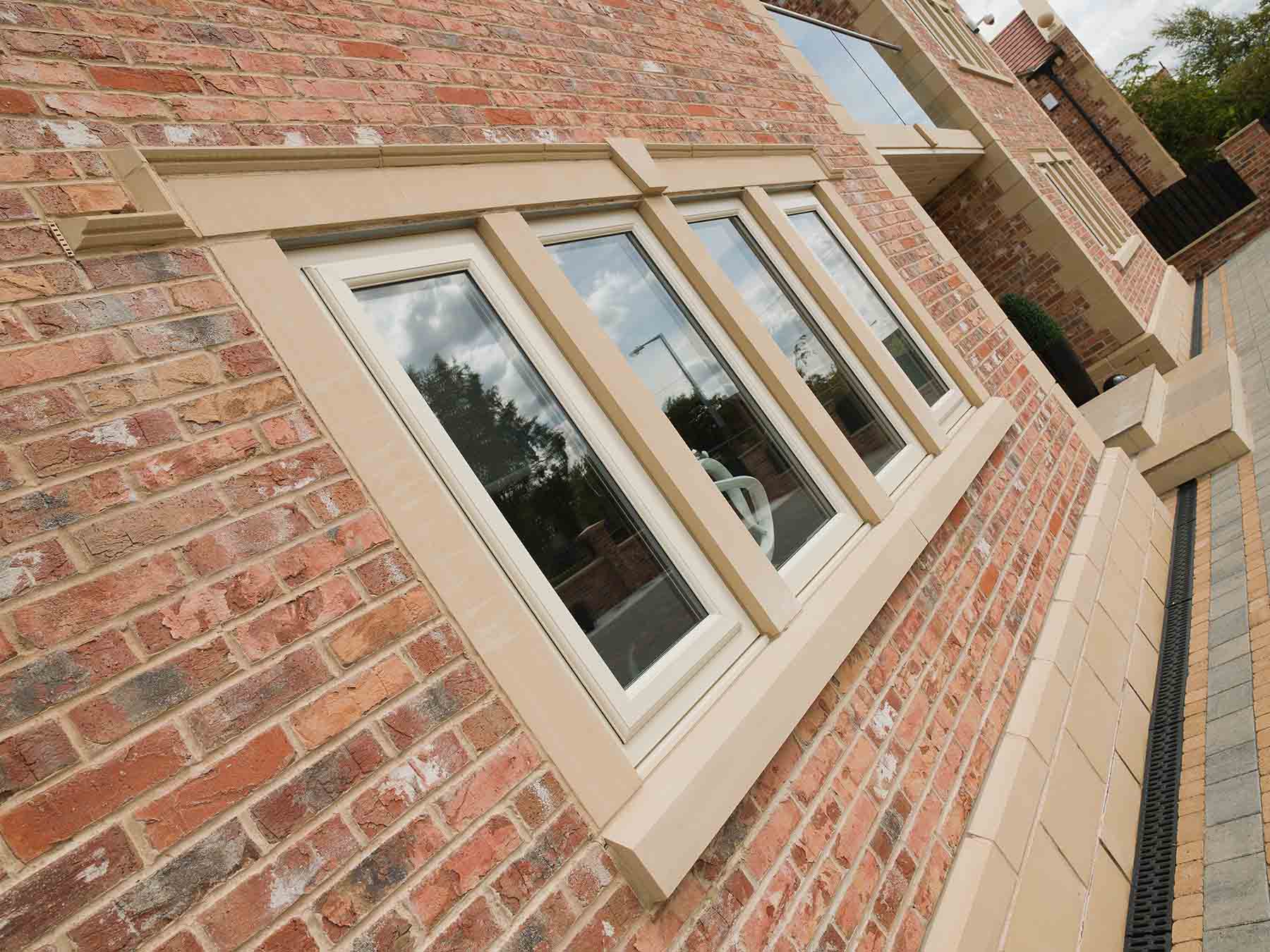
If your Crosspool property has side-hung opening lights on hinges, often with a fixed pane and a top-hung vent, this page is the specification we would quote. The local brief in S10 is usually high wind exposure and single-glazed picture windows, and a single hinged panel seals the whole opening including the fixed light, which is where most of the leakage actually is. Crosspool is not a conservation area, so the decision is purely technical rather than a consent question. Many of these calls come shortly after purchase, when the first winter has made the window problem obvious. Crosspool is about 3 miles from central Sheffield, so a survey here is a short run for our team off the M1 J33.
Installs are room-side only, so scaffolding is never needed and the exterior is untouched.
Quotes are written, itemised per opening, and hold for 60 days.
We survey with a sound level meter where noise is the driver, so the target is a number rather than an impression.
Cavity depth does more for acoustic performance than glass thickness, and we design for it first.
The technical answer
| Window type | side-hung opening lights on hinges, often with a fixed pane and a top-hung vent (found across every period, dominant in interwar and post-war housing) |
|---|---|
| Underlying problem | the opening light and the handle furniture project into the reveal, so clearance has to be designed in |
| System we fit | hinged secondary units, or lift-outs where the original is rarely opened |
| Glass specification | 4 mm Low-E as standard, 6.4 mm laminated on road-facing elevations |
| Measurement | we record handle and stay projection at survey because that dimension, not the glass, sets the cavity depth |
| Heritage position | on interwar stock the casements are usually not protected, which widens the specification options |
What we find on these streets
Casement leakage concentrates at the meeting stile and around worn hinge packings, both of which a single sealed secondary panel bypasses entirely.
Handle and stay projection sets the minimum cavity, so we measure hardware rather than assuming a nominal gap.
Crosspool stock is inter-war and post-war and the prevailing glazing is casement and picture windows, which is why casement glazing comes up here so often.
We record handle and stay projection at survey because that dimension, not the glass, sets the cavity depth.
Crosspool carries no conservation designation, so the specification is decided on performance alone.
Recent installs nearby
Nether Edge Grade II sash retrofit
Six original box sashes fitted with balanced vertical secondary sliders — full listed-building consent secured in six weeks.
Ecclesall Road bay-window sound retrofit
Three-panel horizontal sliders across a 3.2 m Edwardian bay — Rw measured at 47 dB post-install.
Kelham Island loft conversion
Four large steel-frame factory openings sealed with slim satin-anodised horizontal sliders. Post-install U-value 1.87 W/m²K.
Local reference points
- Area
- Crosspool (S10)
- Town
- Sheffield, South Yorkshire
- Housing era
- inter-war and post-war
- Typical windows
- casement and picture windows
- Landmark
- Sandygate Road
- Conservation area
- No
- Window style
- Casement Windows
- Period
- found across every period, dominant in interwar and post-war housing
Common questions
Will the secondary unit foul the casement handle?
Not if the cavity is set from the hardware projection, which is what we measure on survey. It is the most common cause of a badly-fitting retrofit elsewhere.
Hinged or lift-out for a casement?
Hinged if you open the window regularly, lift-out if you do not — lift-outs are slimmer and cheaper but need somewhere to store the panel.
Can you cover a fixed light and an opener together?
Yes, usually with a two-panel unit so the opener stays accessible and the fixed light is sealed.
Which windows should we do first?
Whichever room you sleep or work in that faces the noise or the prevailing weather. We will say so honestly at survey rather than quoting the whole house by default.
Is it worth it if we might replace the windows later?
If replacement is likely within two years, usually not — we will tell you. If the frames are staying, secondary glazing is the cheaper route to the same comfort.
From enquiry to install
- Step 1
Send a photo of the window — with side-hung opening lights on hinges we can usually tell you the likely system before we visit.
- Step 2
Survey in Crosspool: we record handle and stay projection at survey because that dimension, not the glass, sets the cavity depth.
- Step 3
Manufacture to the templated sizes with your chosen finish.
- Step 4
Room-side install with no external access and no alteration to the original frame.
Casement glazing in nearby areas
Casement glazing in Crosspool — the short version
The opening light and the handle furniture project into the reveal, so clearance has to be designed in. We fit hinged secondary units, or lift-outs where the original is rarely opened with 4 mm Low-E as standard, 6.4 mm laminated on road-facing elevations, templated to your opening. A single hinged panel seals the whole opening including the fixed light, which is where most of the leakage actually is.
Just moved in?
We will tell you which windows are worth treating first and which can wait — no pressure to do the lot. Send a photo of the casement glazing — with side-hung opening lights on hinges in a inter-war and post-war Crosspool property we can usually spec it before we visit.