
Hasland · S41
Crittall glazing in Hasland, Chesterfield
Crittall glazing in Hasland is common for a simple reason: the area is railway-era terraces and interwar semis, and slim galvanised or painted steel frames with small rectangular panes and thin glazing bars is exactly what that period built. The problem we are asked to solve is steel conducts heat straight through the frame, so the frame itself is the cold bridge, not just the glass. Hasland is not a conservation area, so the decision is purely technical rather than a consent question. Most enquiries here come from owner-occupiers doing one or two rooms at a time, so we price per opening rather than per house. We cover S41 continuously — Hasland sits within reach of the A61 Sheffield Road, which is also the reason a lot of these calls are about noise.
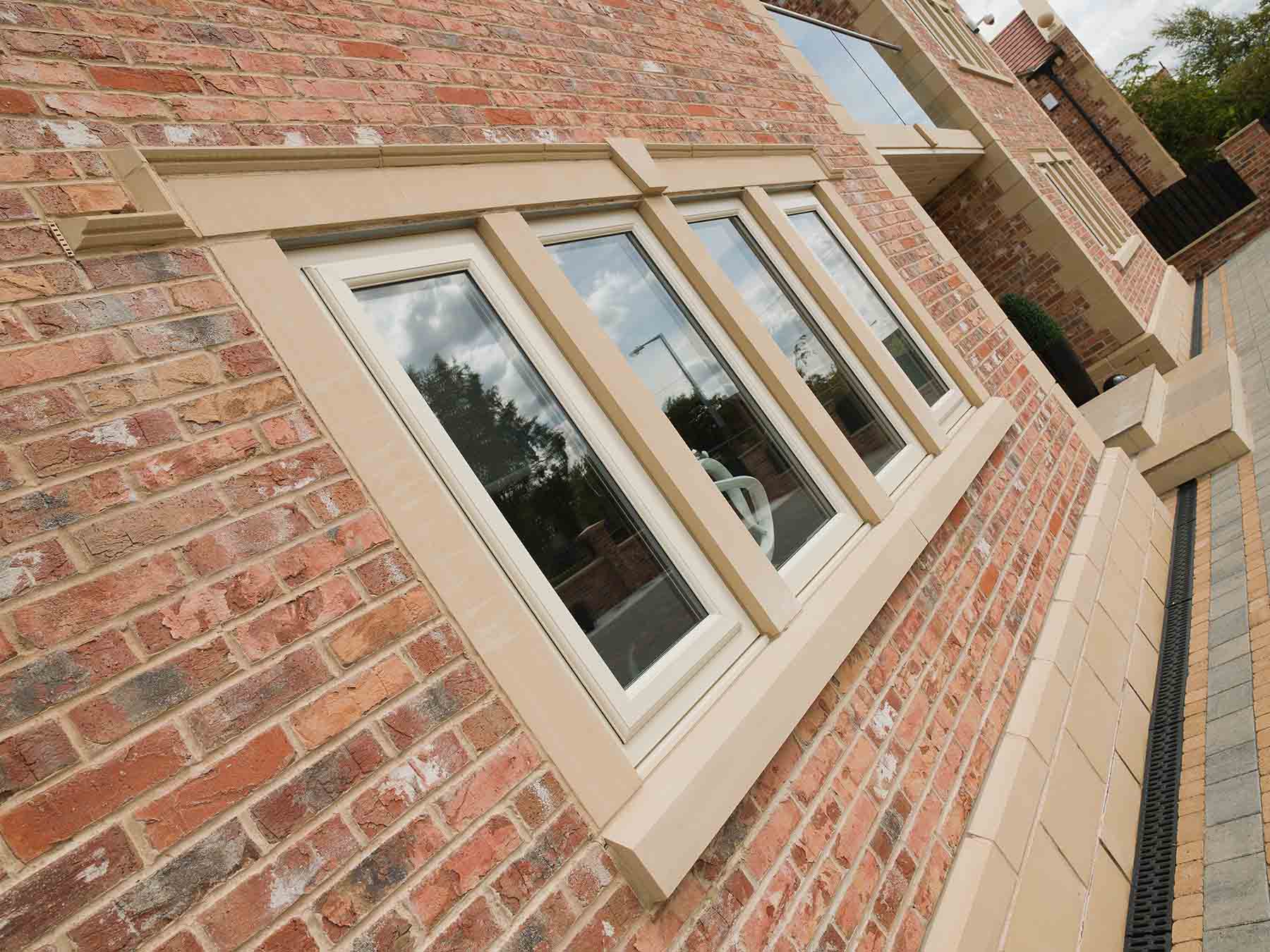
Why this area is different
On a steel window the frame can lose more heat than the glass; that is why replacing the glass alone rarely fixes a Crittall's condensation.
We align the secondary sightlines with the existing glazing bars where possible so the grid pattern still reads from inside the room.
Hasland stock is railway-era terraces and interwar semis and the prevailing glazing is bay sashes, which is why crittall glazing comes up here so often.
Steel frames rarely sit true, so every opening is templated individually rather than batched.
Hasland carries no conservation designation, so the specification is decided on performance alone.
Local reference points
- Area
- Hasland (S41)
- Town
- Chesterfield, Derbyshire
- Housing era
- railway-era terraces and interwar semis
- Typical windows
- bay sashes
- Landmark
- Hasland Park
- Conservation area
- No
- Window style
- Crittall & Steel Windows
- Period
- 1920s–1960s, and again in modern conversions
The technical answer
| Window type | slim galvanised or painted steel frames with small rectangular panes and thin glazing bars (1920s–1960s, and again in modern conversions) |
|---|---|
| Underlying problem | steel conducts heat straight through the frame, so the frame itself is the cold bridge, not just the glass |
| System we fit | slim-profile hinged or sliding units set to preserve the grid pattern |
| Glass specification | Low-E glass with a wide cavity, because the frame conduction dominates the heat loss |
| Measurement | steel frames rarely sit true, so every opening is templated individually rather than batched |
| Heritage position | original Crittall units are increasingly valued and often retained deliberately; a room-side pane lets you keep the look and fix the performance |
Recent installs nearby
A61 corridor 1930s semi
Front-facing Crittall casements enclosed with hinged secondary units. Traffic noise reduced from disruptive to background.
Nether Edge Grade II sash retrofit
Six original box sashes fitted with balanced vertical secondary sliders — full listed-building consent secured in six weeks.
Ecclesall Road bay-window sound retrofit
Three-panel horizontal sliders across a 3.2 m Edwardian bay — Rw measured at 47 dB post-install.
The practical side
- Step 1
Send a photo of the window — with slim galvanised or painted steel frames with small rectangular panes and thin glazing bars we can usually tell you the likely system before we visit.
- Step 2
Survey in Hasland: steel frames rarely sit true, so every opening is templated individually rather than batched.
- Step 3
Manufacture to the templated sizes with your chosen finish.
- Step 4
Room-side install with no external access and no alteration to the original frame.
Installs are room-side only, so scaffolding is never needed and the exterior is untouched.
Aluminium systems are powder-coated to any RAL colour at no extra lead time.
Measured performance figures come from our own post-install testing, not manufacturer maximums.
Glass specification is decided after the survey, not before — the same room can need two different thicknesses.
Start with one room — Windows
Send the opening sizes for the worst room and we will price that first — extending later costs no more. Send a photo of the crittall glazing — with slim galvanised or painted steel frames with small rectangular panes and thin glazing bars in a railway-era terraces and interwar semis Hasland property we can usually spec it before we visit.
Crittall glazing in nearby areas
Common questions
Why do my Crittall windows run with water?
Because the steel frame conducts heat out and drops well below room dew point. The water forms on the frame as much as the glass, which is why re-glazing alone does not solve it.
Will I lose the Crittall look?
No — the original stays in place and visible, and we align the secondary sightlines with the existing bars so the grid still reads.
Can you fit to rusted or distorted steel frames?
We fix to the reveal, not to the steel, so frame condition does not limit the install. We will flag any frame that needs remedial work first.
Can we do one room now and the rest later?
Yes. We template and price per opening, so a later phase is quoted at the same rate — there is no penalty for splitting the work.
Will it get in the way of curtains or blinds?
Rarely. Reveal-fixed units sit inside the existing recess; where the recess is shallow we face-fix and reposition the blind, which we flag at survey rather than on the day.
Crittall glazing in Hasland — the short version
Steel conducts heat straight through the frame, so the frame itself is the cold bridge, not just the glass. We fit slim-profile hinged or sliding units set to preserve the grid pattern with Low-E glass with a wide cavity, because the frame conduction dominates the heat loss, templated to your opening. The cold-bridging frame is taken out of contact with room air, which is what stops the running condensation these windows are notorious for.