
Penistone · S36
Sash window glazing in Penistone, Barnsley
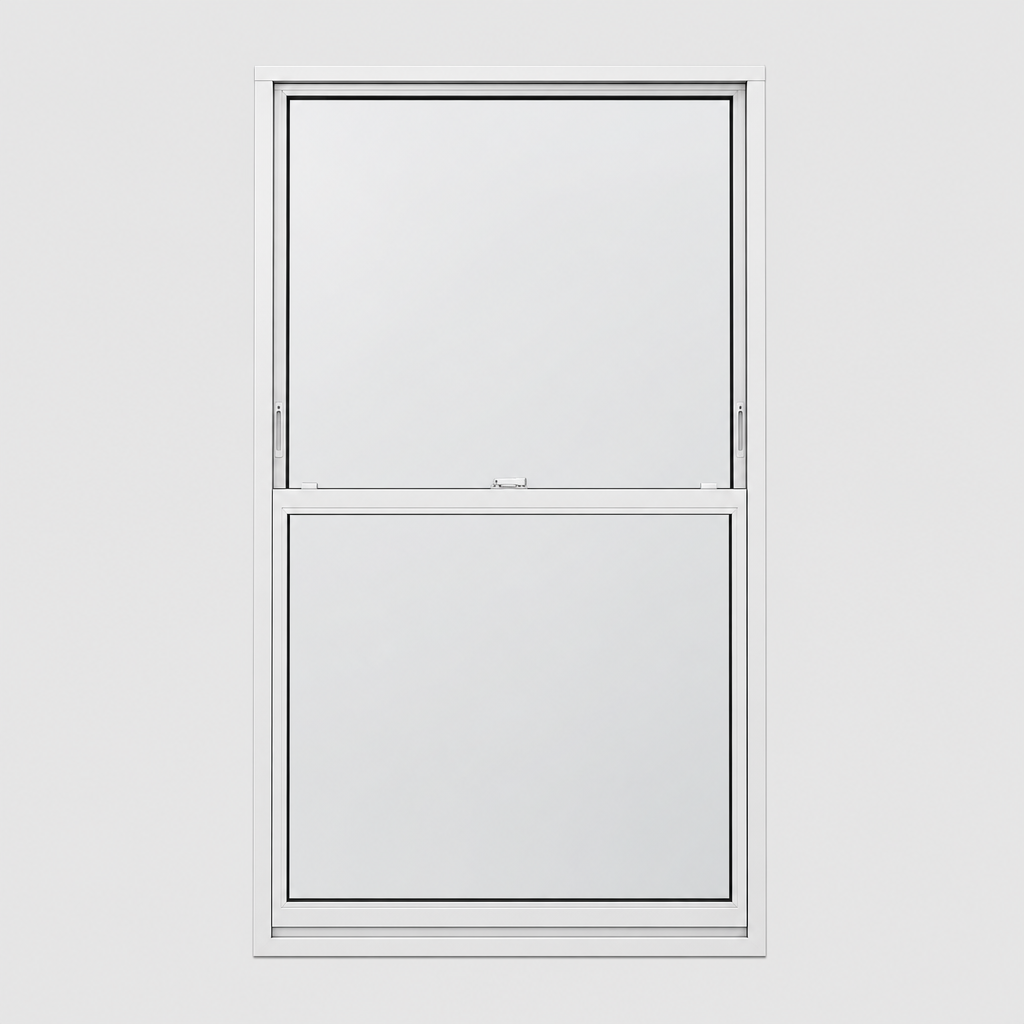
If your Penistone property has two vertically sliding sashes running in a boxed frame, usually with a horn detail on the upper sash, this page is the specification we would quote. The local brief in S36 is usually wind exposure and conservation-area consent in the town centre, and the draught through the weight pockets is sealed and the original sash keeps operating normally. nothing is fixed into the sash box itself — the frame is fixed to the reveal lining, so historic joinery is untouched and the work is reversible Owners here are usually working under consent constraints, so the specification has to satisfy a conservation officer before it satisfies a decibel target. We cover S36 continuously — Penistone sits within reach of the A61 Sheffield Road, which is also the reason a lot of these calls are about noise.
What we find on these streets
We avoid any fixing into the pulley stile or staff bead, so the install is fully reversible for a future owner or a conservation officer.
A sash box is a ventilated void by design; most of the perceived draught comes through the pulley stiles rather than through the glass.
Penistone stock is 17th–19th century stone market town and the prevailing glazing is stone-mullioned casements and sashes, which is why sash window glazing comes up here so often.
We measure the reveal at three heights because sash openings are rarely square after a century of settlement.
Penistone is a conservation area: nothing is fixed into the sash box itself — the frame is fixed to the reveal lining, so historic joinery is untouched and the work is reversible.
The specification we recommend
| Window type | two vertically sliding sashes running in a boxed frame, usually with a horn detail on the upper sash (Georgian, Victorian and Edwardian, roughly 1750–1910) |
|---|---|
| Underlying problem | the sash box is hollow and the counterweight pockets leak air, so the loss is around the window as much as through it |
| System we fit | vertical sliding secondary units that mirror the original movement |
| Glass specification | 4 mm Low-E for thermal-led jobs, 6.4 mm laminated where noise is the driver |
| Measurement | we measure the reveal at three heights because sash openings are rarely square after a century of settlement |
| Heritage position | nothing is fixed into the sash box itself — the frame is fixed to the reveal lining, so historic joinery is untouched and the work is reversible |
A whole-house residential install is normally completed within a single working day.
Installs are room-side only, so scaffolding is never needed and the exterior is untouched.
Cavity depth does more for acoustic performance than glass thickness, and we design for it first.
Measured performance figures come from our own post-install testing, not manufacturer maximums.
From enquiry to install
- Step 1
Send a photo of the window — with two vertically sliding sashes running in a boxed frame we can usually tell you the likely system before we visit.
- Step 2
Survey in Penistone: we measure the reveal at three heights because sash openings are rarely square after a century of settlement.
- Step 3
Manufacture to the templated sizes with your chosen finish.
- Step 4
Room-side install with no external access and no alteration to the original frame.
Local reference points
- Area
- Penistone (S36)
- Town
- Barnsley, South Yorkshire
- Housing era
- 17th–19th century stone market town
- Typical windows
- stone-mullioned casements and sashes
- Landmark
- Penistone Market Barn
- Conservation area
- Yes — room-side install standard
- Window style
- Sash Windows
- Period
- Georgian, Victorian and Edwardian, roughly 1750–1910
Recent installs nearby
Cawthorne conservation cottage
Stone-mullioned casements retained with room-side hinged secondary units — listed-building consent achieved without alteration.
Nether Edge Grade II sash retrofit
Six original box sashes fitted with balanced vertical secondary sliders — full listed-building consent secured in six weeks.
Ecclesall Road bay-window sound retrofit
Three-panel horizontal sliders across a 3.2 m Edwardian bay — Rw measured at 47 dB post-install.
Conservation or listed property — Windows
We prepare the drawings and specification your conservation officer will ask for, free with the quote. Send a photo of the sash window glazing — with two vertically sliding sashes running in a boxed frame in a 17th–19th century stone market town Penistone property we can usually spec it before we visit.
Common questions
Will secondary glazing stop my sash windows rattling?
Yes, and it does it without touching the sash. The rattle is wind pressure moving a loose sash in its box, and a sealed room-side pane removes the pressure differential driving it.
Can I still open the sash behind it?
Yes. Vertical sliding secondary units move on the same axis, so both sashes stay operable.
Does it damage original joinery?
No. The fixing is into the reveal lining, not the sash box, and the whole system can be removed later without trace.
Will the conservation officer accept this?
Room-side secondary glazing is the standard recommendation in Historic England guidance because it is reversible and invisible externally. We supply the drawings with the quote.
Is anything fixed into the original joinery?
No. We fix into the reveal or a timber subframe, never the historic sash or casement itself, so the install fully reverses.
Sash window glazing in Penistone — the short version
The sash box is hollow and the counterweight pockets leak air, so the loss is around the window as much as through it. We fit vertical sliding secondary units that mirror the original movement with 4 mm Low-E for thermal-led jobs, 6.4 mm laminated where noise is the driver, templated to your opening. The draught through the weight pockets is sealed and the original sash keeps operating normally.